The 2026 Nobel Prize in Physiology or Medicine has gone to Karl Deisseroth, Peter Hegemann and Georg Nagel for developing optogenetics — a set of techniques that let researchers control genes with light. Nobel Prize Outreach announced the award, closing out months of speculation about which field would take the prize this year.
The work is foundational neuroscience. It's also, awkwardly for anyone hoping to trade it, not a crypto story. Bitcoin doesn't care which lab got a medal in Stockholm. But the award lands in a market that has spent the past two years trying to turn basic-science narratives into investable ones, and that reflex is worth examining.
What optogenetics actually does
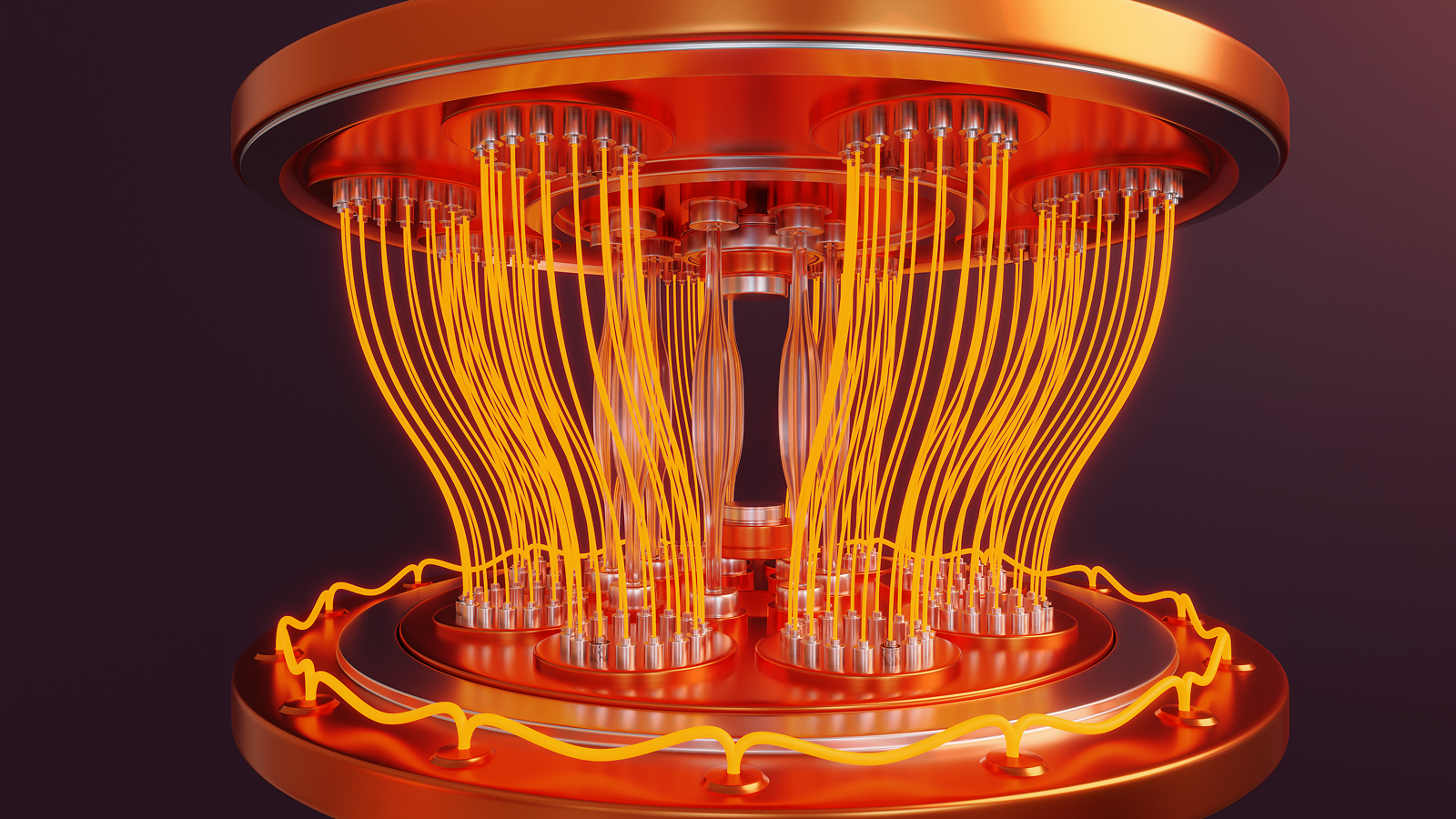
Optogenetics lets scientists insert light-sensitive proteins into cells and then flip those cells on or off with a beam of light. In practice, that means you can activate a specific set of neurons in a living brain and watch what happens — no electrodes, no surgery on the cells themselves. It's the kind of tool that quietly rewrites a whole subfield, and it took roughly two decades of work across three labs to get there.
📊 Market Data Snapshot
Deisseroth is the best-known name of the three, and he's the one with the most tangled relationship to commercial biotech. He co-founded Circuit Therapeutics, which has since folded, and he holds patents on optogenetics methods. Hegemann and Nagel hold patents too. That detail matters, and we'll come back to it.
Where crypto tries to plug in
There's no direct line from a Nobel medal to a token price. Anyone telling you otherwise is selling something. The honest version is that the award reinforces a narrative that decentralized-science projects — DeSci, in the shorthand — have been pushing for a while: that research funding and intellectual property are too concentrated, and that on-chain coordination could open them up.
That pitch has a real problem sitting right in the middle of this news. The foundational optogenetics technology is patented. Deisseroth's patents, Hegemann's patents, Nagel's patents. A DAO that wants to build on optogenetics and commercialize the result doesn't get to skip the licensing conversation just because its treasury is on-chain. Open science rhetoric runs into a patent wall pretty fast here, and the crypto side of this trade has been notably quiet about that.
The DeSci trade, if you insist
Expect the usual pattern if anything moves: a handful of small-cap DeSci tokens will spike on the headline, volume will look impressive for a few hours, and then it fades. These are thin markets. A pump driven by a Nobel announcement has no earnings behind it, no product, often no working protocol. If you're watching that happen, you're watching liquidity, not fundamentals.
The longer argument is more interesting and much slower. Cheaper optogenetics tools mean more labs generating more neural data, and that data has to live somewhere. Distributed compute markets and privacy-preserving analytics are a plausible long-term fit — not because of this award, but because the underlying research volume keeps growing regardless of who wins a prize. The same logic applies to synthetic biology more broadly, where tokenized research IP and data governance are still mostly slide decks.
Don't confuse the medal with a catalyst
Scientific awards rarely move crypto markets, and this one shouldn't. The last time a Nobel touched adjacent territory — the mRNA work honored in 2023 — the crypto reaction was essentially nothing. The only prizes that have ever mattered to this industry are the ones buried in cryptography, and even those took years to show up in price.
So the practical read: no knee-jerk move in BTC or ETH, and any DeSci pop is likely to be short-lived and liquidity-thin. The prize itself is settled. What isn't settled is whether the patent landscape around optogenetics leaves any room for the decentralized-science model to do what it claims — and that's a question the next wave of DeSci pitch decks will have to answer, not wave away.