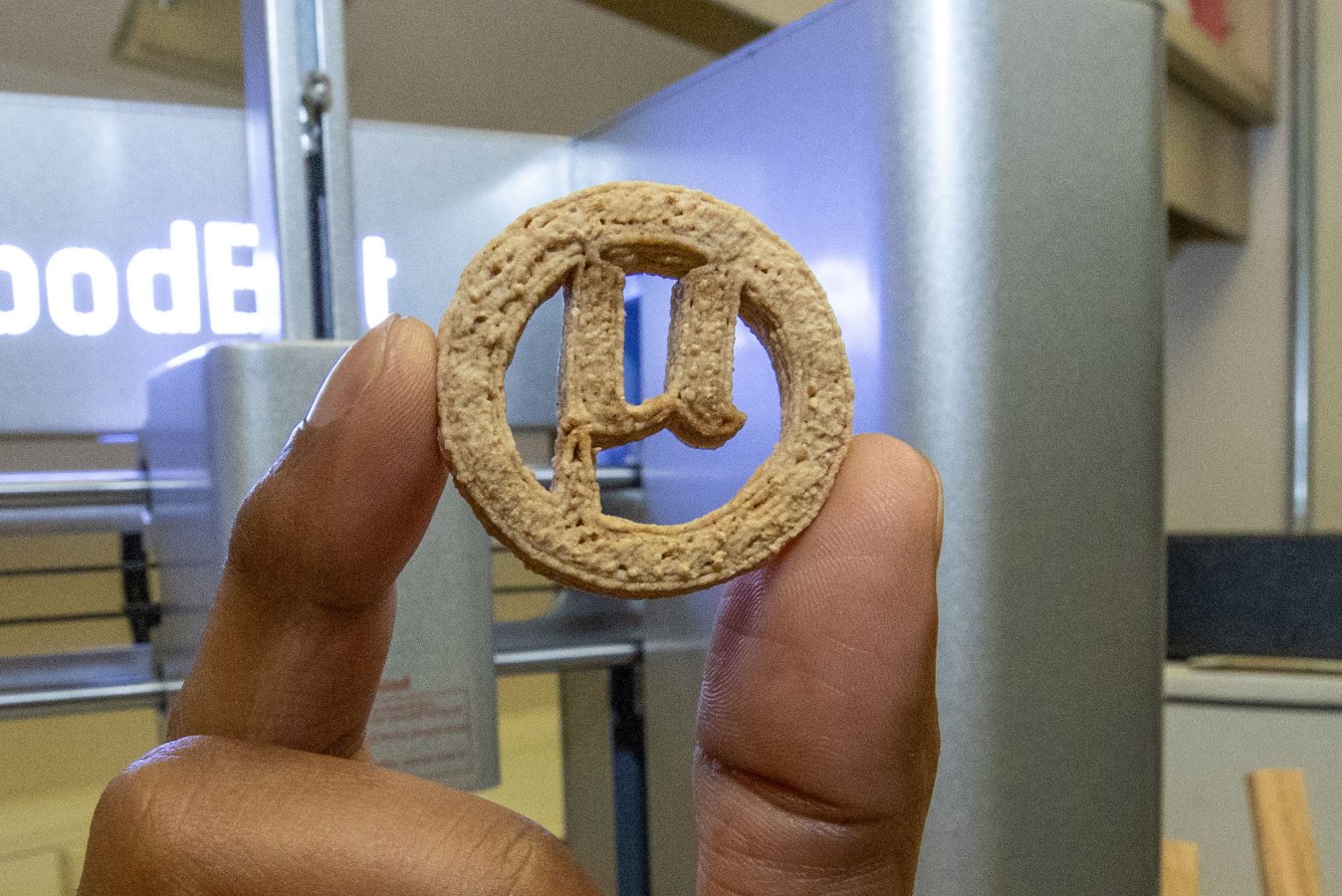
Researchers have engineered yeasts that can convert PET plastic and agricultural waste into edible proteins and flavoring molecules — basically turning trash into food. The announcement, made this week, doesn't directly affect crypto prices, but it touches on themes the industry is quietly paying attention to: sustainability, real-world assets, and decentralized science.
Inside the yeast
The engineered microbes are programmed to consume plastic and crop waste and produce proteins and flavor compounds. That means a potential future where disaster zones or deep-space missions could produce food from whatever waste is lying around. It's an upcycling story, not just recycling — taking waste and making something more valuable out of it.
📊 Market Data Snapshot
Why crypto isn't moving
This is not a blockchain story. Bitcoin and Ethereum aren't going to react to a biology paper. The market's current focus is macro liquidity, ETF flows, and BTC's dominance. For traders, this news is a footnote, not a catalyst. The immediate impact on digital asset prices is neutral, and the magnitude is low.
The second-order angle
Where it gets interesting is the long game. If this technology scales, it could reduce agricultural waste and food costs, which could dampen inflation — a net positive for risk assets like crypto. In the nearer term, it feeds the narrative around decentralized science (DeSci) and sustainability-linked tokens. Those are speculative, thin-liquidity plays, but they're the kind of thing that might attract a niche rally if a project picks up the story.
What to watch
Right now, there's no token attached to this research. No known crypto project has signed on. So the only thing to watch is whether a team decides to put this on-chain — perhaps a tokenized science initiative. If that happens, it could be a small, niche move. If not, this story stays in the science section, and the market stays focused on the next macro print.