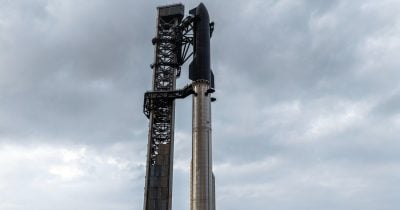
SpaceX launched its 13th Starship test flight late Tuesday, carrying 20 of the company's new Starlink V3 satellites into orbit. The mission marked the first major payload deployment for the giant rocket since SpaceX's record $86 billion initial public offering in early March.
First real cargo for Starship
Previous Starship tests focused on engineering milestones—catching the booster with the launch tower, testing orbital maneuvers. This time the rocket had a job to do. The 20 Starlink V3 satellites, each about the size of a small car, were released about 90 minutes after liftoff from the company's Boca Chica, Texas facility.
SpaceX confirmed the satellites were successfully deployed and communicating with ground stations. The V3 variant is designed to handle direct-to-cellphone service, a feature the company has been testing since last year.
Timing after the IPO
The flight came just weeks after SpaceX went public in what bankers called the largest tech IPO in U.S. history. The company raised $86 billion in its market debut, valuing it at nearly $290 billion. Investors have been watching Starship's progress closely—the rocket is central to SpaceX's long-term revenue plans, including launching the next-generation Starlink constellation and eventually carrying crewed missions to Mars.
This was Starship's first flight since the IPO, and the first time it carried paying cargo. The Starlink V3 satellites are intended for SpaceX's own network, but the company has said Starship's payload capacity will let it launch larger batches than the Falcon 9 can manage, reducing per-satellite cost.
What the test means for Starlink
Starlink already operates more than 6,000 satellites in low Earth orbit. The V3 models are heavier and more capable, with increased bandwidth and the direct-to-cell capability. SpaceX needs Starship to get them up fast—the company has regulatory approval for up to 12,000 satellites, and the V3 rollout is key to meeting that target.
Tuesday's flight also tested a new dispenser mechanism designed to release the satellites in sequence without collisions. Engineers will analyze telemetry from the deployment over the coming days.
Upcoming milestones
SpaceX has not announced a date for the next Starship flight, but the company typically refits the launch tower and ground systems between tests. The next mission is expected to carry a similar payload of Starlink V3 satellites. The Federal Aviation Administration is reviewing the current flight license, which covers up to five launches from the Texas site.
For now, the company is focused on data from Tuesday's deployment—whether all 20 satellites reached their intended orbits and are functioning normally. That information will determine how quickly SpaceX can scale up Starship's operational tempo.