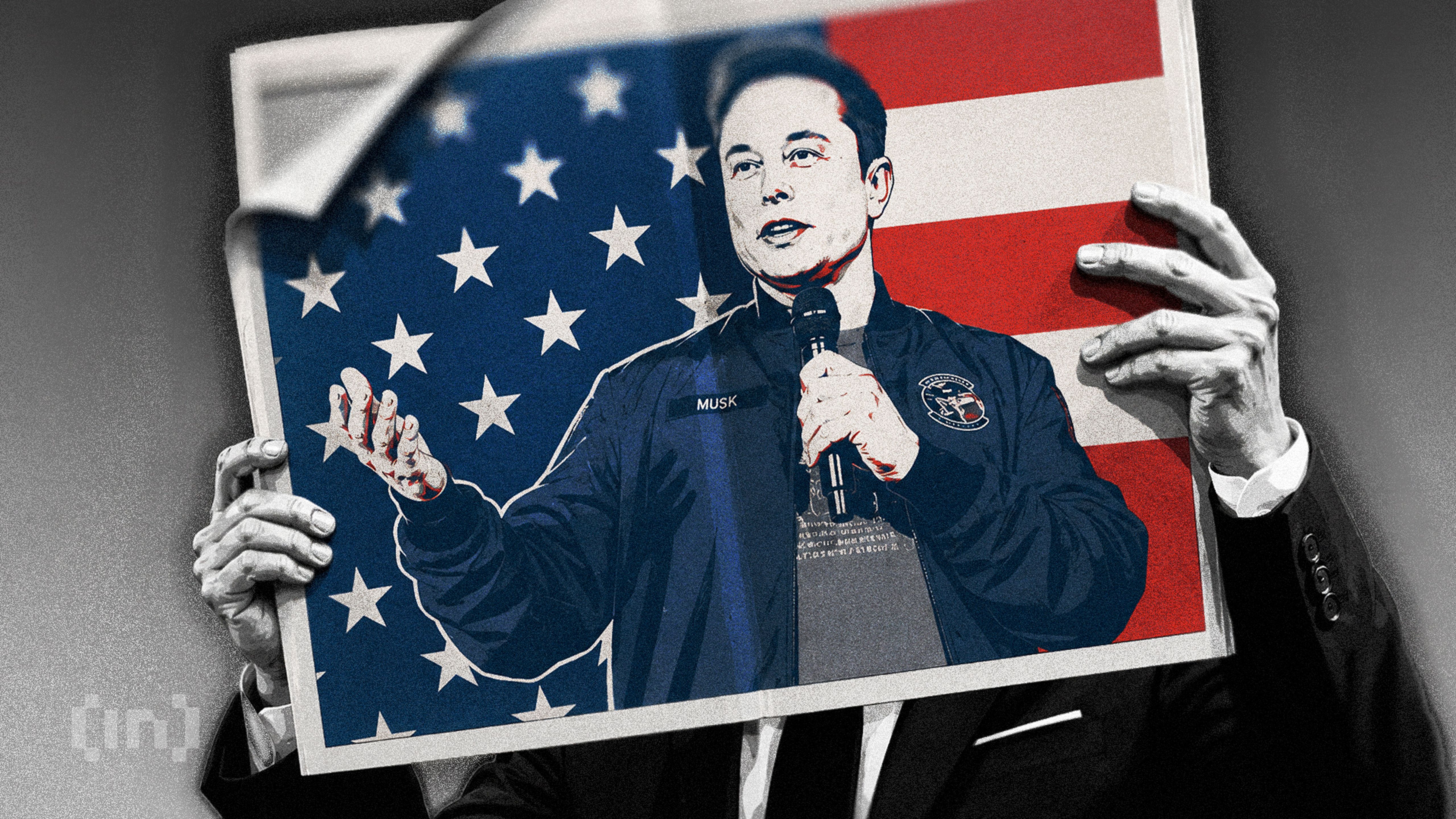
SpaceX is gearing up for a Starship V3 test flight scheduled to launch next week, a mission company officials have described as high-stakes. The flight, which could reshape the competitive dynamics of space travel, will test the vehicle’s upgraded payload capacity and reusability features.
What’s at stake with the V3 upgrade
The Starship V3 represents a significant leap over its predecessors. SpaceX has focused on increasing the amount of cargo the rocket can carry to orbit while improving the likelihood that the booster and ship can be reused quickly. Analysts following the program say success would give SpaceX a clear edge over rivals like Blue Origin and NASA’s own SLS, which face longer turnaround times and higher per-launch costs.
The company has not released exact payload figures for this test, but internal targets have long aimed for well over 100 metric tons to low Earth orbit. Reusability is the other half of the equation: SpaceX wants to land both the Super Heavy booster and the Starship upper stage intact, then refly them within days.
Why this flight carries extra pressure
Previous Starship tests have offered mixed results. The first integrated flight in April 2023 ended with the vehicle tumbling and exploding before stage separation. A second test in November 2023 achieved stage separation but both parts were lost. The third and fourth flights in 2024 improved, with the booster making a controlled splashdown and the ship surviving reentry longer. But a fully successful mission with both elements recovered has remained elusive.
This time, SpaceX has incorporated dozens of design changes based on those earlier failures. The company is under pressure to demonstrate progress not only to its own engineers but to regulators and potential customers who have been waiting for a reliable heavy-lift vehicle. The Federal Aviation Administration, which licenses commercial launches, will be watching closely.
How the test could shift the market
A clean flight next week would send a signal to the entire launch industry. Competitors have been developing their own heavy-lift rockets, but none have matched the scale of Starship. If SpaceX can prove the V3 can deliver large payloads and land back at the pad, it could lock in contracts for satellite constellations, space station modules, and even NASA’s Artemis lunar lander variant.
On the other hand, a failure would give rivals more time to close the gap. Blue Origin’s New Glenn and United Launch Alliance’s Vulcan Centaur are both nearing their own first flights, and both have orders waiting. The stakes are high enough that SpaceX has declined to specify which launch window within next week they’re targeting, citing weather and vehicle readiness.
The company is expected to provide a live webcast of the attempt, with a launch time announced about 24 hours beforehand.