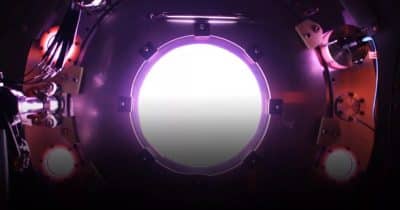
A small, factory-built nuclear reactor designed for rapid deployment has achieved a key technical milestone. Valar Atomics announced that its Ward 250 microreactor reached criticality — the point at which a sustained nuclear chain reaction begins. The achievement moves the reactor one step closer to commercial use.
What the Ward 250 is
The Ward 250 is what the industry calls a microreactor. Unlike traditional nuclear plants that can take a decade or more to build and often require massive concrete containment structures, the Ward 250 is designed to be manufactured in a factory and shipped by truck or rail. It's meant to produce up to 250 megawatts of thermal energy, which can be converted to electricity or used directly for industrial heat.
Valar Atomics says the reactor uses a novel fuel form and cooling system that makes it inherently safer — it can shut itself down without operator action or backup power. The company touts the design as faster, more flexible, and safer than conventional reactors.
Why criticality matters
Criticality is the first major test for any fission reactor. It confirms that the core can sustain a chain reaction at a controlled power level. Without it, the reactor is just a collection of components. The Ward 250 hitting this milestone means the physics works as intended. It also clears the way for a series of low-power tests that will validate the reactor's control systems and safety features before it ever runs at full power.
Regulators typically require a demonstration of criticality before they approve further testing. The milestone is a necessary — but not final — step toward licensing.
What this could mean for nuclear energy
Microreactors like the Ward 250 are attracting interest from remote mining operations, military bases, and communities looking to replace diesel generators. Their small size and factory fabrication could sidestep the cost overruns and construction delays that have plagued large nuclear projects. Proponents argue that if microreactors can be mass-produced, they could offer carbon-free power at a price competitive with natural gas.
Skeptics point out that no microreactor has yet been commercially deployed in the United States. Fuel supply, waste disposal, and public acceptance remain open questions. The Ward 250's criticality is a technical win, but the real test will come when the company tries to sell and install the first units.
Valar Atomics has not released a timeline for commercial deployment or announced a specific site for the first installation. For now, the company's engineers are focused on the data flowing from the reactor's sensors. The criticality milestone is a box checked — but there are many more ahead.