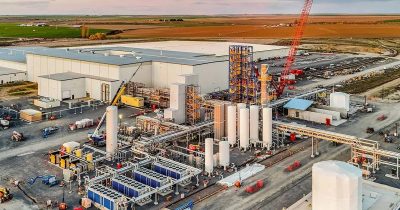
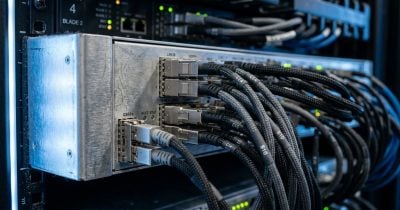
The surge in capital spending on artificial intelligence is expanding at twice the pace of the housing boom, according to new analysis, raising concerns that the breakneck growth could end in economic turbulence. The rapid buildout of AI infrastructure — data centers, chips, and energy systems — is outpacing prior investment cycles, and the risks are not evenly distributed.
A faster buildout than housing
The comparison to housing isn't casual. During the housing boom, capital expenditure climbed steadily for years before peaking. The AI boom is moving twice as fast, which means the economy has less time to adjust if the anticipated demand for AI services doesn't materialize. The analysis notes that the pace itself is the problem — not just the scale of spending, but the speed at which it's happening.
Housing took a full decade to go from expansion to bust. AI capex is compressing that timeline dramatically. That leaves less room for companies to correct course, and more room for abrupt swings when expectations shift.
Who's exposed if demand falters
Suppliers and smaller firms are the most exposed. Large tech companies can absorb a slowdown, but the companies that manufacture chips, build facilities, and provide supporting services have far less cushion. If AI demand falls short of expectations, these firms could see orders evaporate quickly. The analysis suggests that the faster the boom, the sharper the potential downturn for these players.
The supply chain for AI is deep. It includes raw material producers, equipment makers, construction firms, and energy providers. A sudden stop in AI investment would hit all of them, but the smaller ones would feel it first and worst. They often lack the cash reserves or diversification to weather a sharp pullback.
The wider economic risk
Volatility in AI capex could spill into the broader economy. Investment cycles are a major driver of growth, and a sudden stop in AI spending would hit not just tech but also construction, energy, and logistics. The housing boom's collapse showed how a single sector can drag down the whole economy. The AI boom's speed makes it a different kind of threat — one that could arrive with less warning.
The analysis doesn't predict a crash, but it does flag the possibility as a real risk. For suppliers and smaller firms, the message is to prepare for swings. For everyone else, the lesson is that the AI boom's speed is itself a risk factor. The question now is whether the pace of investment can hold steady long enough for the economy to adapt.