AI capital expenditure is projected to reach $800 billion in 2026, with some forecasts putting it above $1 trillion. The spending surge is expected to lift valuations of major AI companies and shift how global investors allocate capital.
The size of the bet
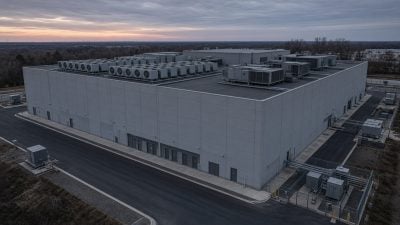
The $800 billion figure is a baseline, not a ceiling. Projections show the potential to exceed $1 trillion, depending on how quickly companies scale up their AI infrastructure. That's a massive amount of money flowing into data centers, chips, and the energy to run them.
The scale of the investment reflects how central AI has become to corporate strategy. Companies are betting that the technology will pay off in productivity gains and new revenue streams. But the spending itself is a bet on the future.
That kind of capital injection doesn't just build infrastructure. It also feeds the market's expectations. The projection suggests that major AI firms could see significant valuation growth as investors price in the potential returns from all that spending.
Valuations in the AI space have already been stretched. The new spending projections give investors a reason to keep pushing them higher, at least for now.
Global market dynamics
The impact won't stay contained to the tech sector. The projected capex is expected to influence global market dynamics, from supply chains to energy markets to the flow of capital across borders.
Investment strategies are already shifting. Money that might have gone into other sectors is being redirected toward AI plays. That reallocation could have ripple effects across the broader economy.
The projections are based on current trends, but those trends could shift if the economy slows or if AI adoption hits a snag. Even so, the direction is clear: AI capital spending is on a steep upward curve.
The stakes for investors
For investors, the question is whether the spending will translate into returns. The projections are optimistic, but they carry risk. If the buildout outpaces actual demand, the market could correct sharply.
That's not a hypothetical. The sheer size of the projected spending makes the stakes clear. Investors may need to reassess their portfolios as AI capex becomes a larger share of overall corporate spending.
The open question
Whether that spending translates into sustainable returns remains an open question. The projections are just that — projections. They could be revised up or down as companies report earnings and adjust their plans.
For now, the direction is clear. The next few years will show whether the investment pays off or whether the market gets ahead of itself.