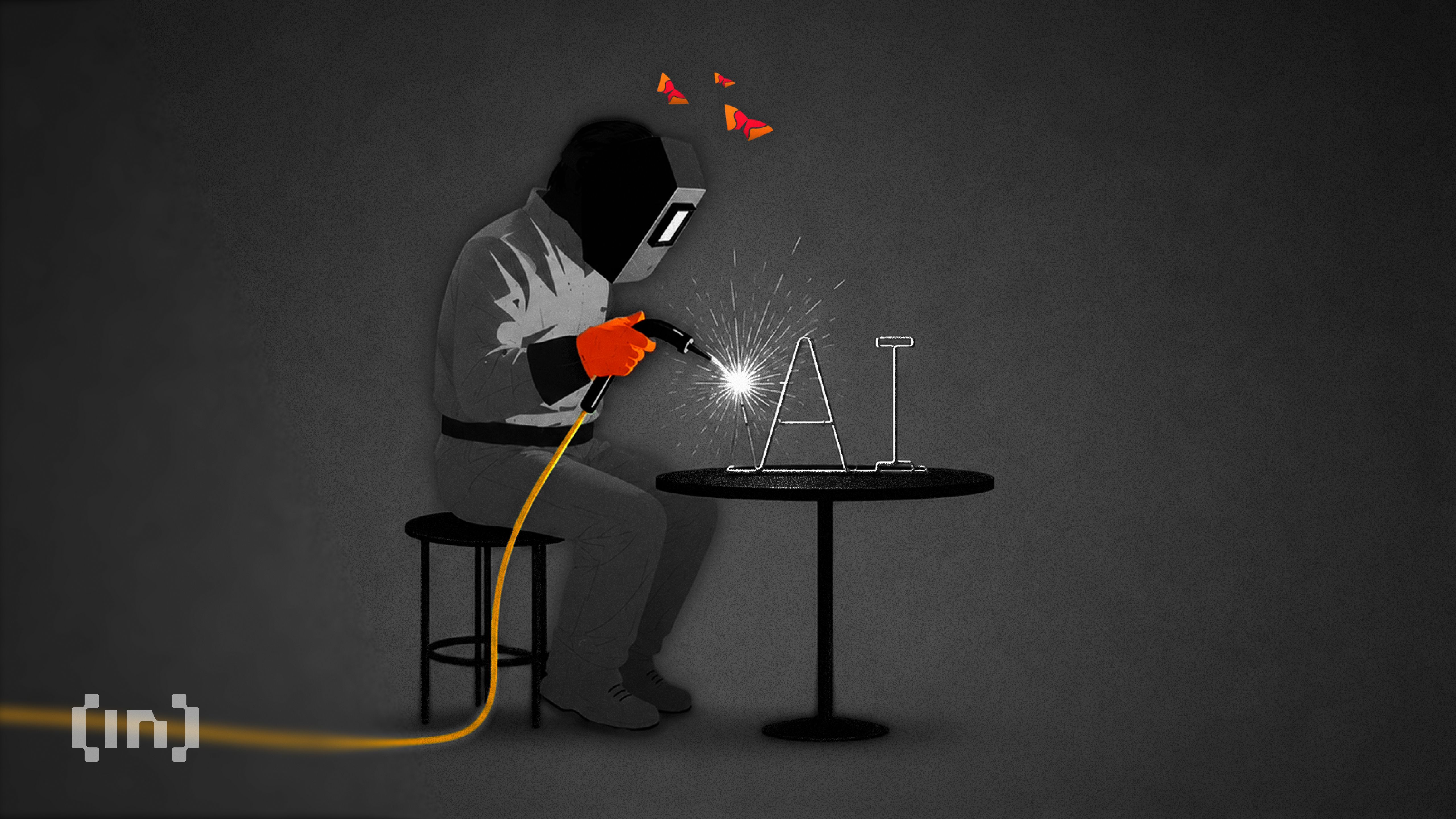
Artificial intelligence carries two faces: one that could help forge global peace and another that complicates the very rule-making needed to get there. That tension, researchers and policymakers say, is at the heart of today's struggle to set boundaries on the technology.
The Two Sides of the Same Algorithm
AI's capacity to process massive amounts of information means it can, in theory, extract universal ethical principles from diverse cultural traditions. Some see this as a path toward a common framework for international cooperation. But the same tools can amplify bias, enable surveillance, or generate disinformation — making it harder, not easier, to agree on what those principles should be.
This dual-use problem shows up in every attempt to write rules. Governments trying to regulate AI must account for both its promise and its peril, often within the same piece of legislation. The line between helpful and harmful depends heavily on how a system is deployed, not just on its design.
Can AI Help Build Peace?
Optimists point to AI's potential to synthesize wisdom from historical conflicts, religious texts, and diplomatic records. A properly guided system could offer new perspectives on long-standing disputes, or even propose compromises that humans have missed. The idea is not that machines would replace negotiators, but that they could serve as impartial advisers, surfacing options no party had considered.
That vision, however, remains mostly theoretical. Current AI models lack true understanding of context and consequence. They can generate plausible-sounding solutions without grasping the human cost of a wrong recommendation. So the hope of AI-driven peace will stay out of reach until the technology itself becomes more trustworthy.
Why Human Collaboration Matters
The facts carry a clear warning: AI cannot do this alone. Ethical rule-making demands the kind of judgment, empathy, and accountability that only humans can provide. Machines might suggest a rule; humans must decide whether it is just. A global peace framework built by algorithms would face immediate rejection if people had no say in its creation.
That means the people building AI systems need to work alongside ethicists, diplomats, community leaders, and the public. It is a slow, messy process — the opposite of the speed and efficiency AI promises. Yet skipping that collaboration would almost certainly backfire, producing rules that few trust and even fewer obey.
No single country or company has solved this equation. The debate over how much human oversight is enough — and how to enforce it — remains open. The next major test will come as more governments introduce binding AI legislation, each one trying to balance innovation with accountability. Whether they can do that without first agreeing on a shared ethical foundation is a question no algorithm can answer yet.