Nvidia is getting a fresh wave of attention from Wall Street. Analysts have raised their price targets for the chipmaker, citing the accelerating demand for AI infrastructure and the company's central role in powering that growth.
The upgrades come as data center operators, cloud providers, and enterprise tech firms pour billions into hardware that runs large language models and generative AI tools. Nvidia's graphics processing units remain the backbone of these systems, giving the company a prime position in what many investors see as the next multi-year tech cycle.
Why analysts are bullish on Nvidia
The price target hikes reflect a simple thesis: AI spending isn't slowing down. Companies building and running AI models need more computing power, and Nvidia controls the overwhelming share of that market. That dominance has translated into revenue growth that keeps exceeding expectations.
Some analysts see Nvidia as more than just a chip supplier. They argue the company's reach — from hardware to software ecosystems like CUDA — gives it the ability to influence broader tech sector trends. When Nvidia reports strong numbers or releases new products, the ripple effect can lift other AI-related stocks.
But the bullish case isn't just about current sales. The forward-looking argument is that AI adoption is still in its early stages. If that holds, Nvidia could benefit for years as industries from healthcare to logistics deploy customized AI tools.
The risks that remain
It's not all smooth sailing. Regulatory scrutiny of Nvidia's market power has grown, especially as governments examine whether the company's dominance in AI chips could lead to antitrust concerns or export control issues. The U.S. and other countries have already tightened restrictions on advanced chip sales to China, which could limit Nvidia's addressable market.
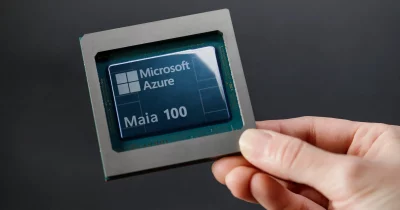
Competition is another pressure point. Rivals like AMD and a handful of startups are developing their own AI accelerators. While none have matched Nvidia's performance or software ecosystem yet, the gap could narrow over time. A few large cloud customers, including Amazon and Google, are also designing their own chips to reduce reliance on Nvidia.
What investors are watching next
For now, the analyst upgrades signal confidence that Nvidia can navigate those headwinds. But the real test will come in the company's next earnings report, due later this quarter. Investors will be looking for signs that demand is still accelerating and that profit margins aren't being squeezed by rising competition or regulatory costs.
Another unknown is how the broader economic picture plays out. If corporate spending on AI infrastructure slows — whether due to higher interest rates, a recession, or simply a pause after a buying frenzy — Nvidia's growth rate could cool faster than current price targets assume.
The company's ability to fend off regulatory action and keep its product lead will determine whether those higher price targets prove justified.