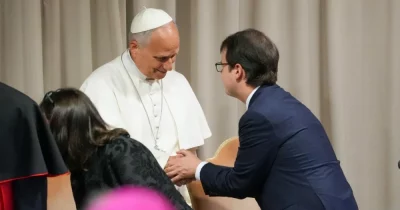
Chris Olah, co-founder of AI lab Anthropic, took his ethical concerns about artificial intelligence to the Vatican this week. Speaking at a conference on technology and human dignity, Olah warned that AI could displace workers 'at very large scale' — a shift he said demands urgent attention from religious and moral institutions.
The Vatican Setting
The choice of venue matters. The Vatican has increasingly engaged with tech ethics, hosting discussions on everything from algorithmic bias to the moral limits of automation. Olah's address there signals that the AI safety conversation is moving beyond Silicon Valley boardrooms into broader societal and religious circles. For a field often driven by profit and speed, the Vatican represents a voice focused on human consequences.
What Olah Said
Olah didn't mince words. He described labor displacement as a looming crisis, one that could hit 'at very large scale' if left unchecked. The warning comes from someone inside the industry — Anthropic is one of the most prominent AI companies, known for developing the Claude chatbot. But Olah has long been an internal critic of AI's potential downsides, having previously worked on interpretability and safety research.
He didn't offer specific job numbers or timelines. Instead, he framed the threat as a moral challenge. The message: technical fixes alone won't prevent widespread economic disruption if institutions don't start planning now.
Regulatory Ripple Effects
The Vatican speech adds pressure on regulators already grappling with AI oversight. The European Union's AI Act is moving toward final approval, and the U.S. has floated multiple bills. But Olah's appearance at a religious venue highlights a gap in the current debate — few frameworks address the human dignity angle directly. If a major AI figure is taking his case to the Pope's backyard, expect lawmakers to take notice.
It also underscores a shift in how AI ethics is being discussed. Rather than staying a niche topic for engineers, it's becoming a public institution issue. The Vatican has no regulatory power, but its moral authority carries weight with Catholic-majority nations and beyond.
The immediate question is whether Olah's warning will translate into specific policy changes. He didn't call for a particular law or regulation. But by placing the issue in a moral context, he's asking for something broader — a rethinking of what society owes workers when machines start taking their jobs.