Anthropic, the AI safety company behind the Claude language model, is in discussions with Microsoft to deploy the tech giant’s custom-designed AI chips for inference workloads, according to people familiar with the matter. The move would mark a significant shift in how Anthropic powers its models, moving beyond reliance on off-the-shelf hardware from Nvidia and others.
What the talks involve
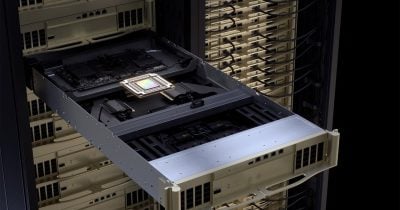
The negotiations center on Microsoft’s in-house AI accelerator chips, which the company has been developing to reduce its dependence on external suppliers. For Anthropic, using Microsoft’s silicon for inference — the process of running trained models to generate responses — could lower costs and improve latency. Neither company has confirmed the discussions publicly.
Why chip diversification matters
If the deal goes through, it would be a concrete example of a broader trend: major AI labs seeking alternatives to Nvidia’s dominant GPUs. The strategy could reshape AI infrastructure by encouraging competition among chipmakers and pushing cloud providers to offer more specialized hardware. For Microsoft, landing a high-profile customer like Anthropic would validate its chip efforts and potentially attract other AI startups.
Potential ripple effects on decentralized networks
The shift toward proprietary, centralized chips could also affect decentralized computing networks and Web3 projects. Many of those networks rely on distributed GPU resources from individual miners or small data centers. If large AI companies start locking their workloads into custom silicon at a few hyperscale clouds, the economic incentives for decentralized compute providers might weaken. That’s a concern for projects that aim to democratize access to AI processing power.
The talks are still early, and no timeline has been set for a potential agreement. What’s clear is that the infrastructure race in AI is moving beyond just training — inference is becoming a battlefield where hardware choices could determine winners and losers.