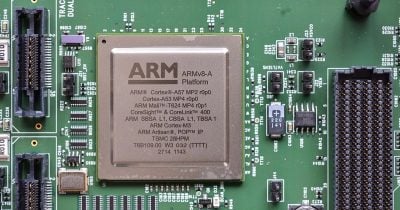
Arm's chief financial officer, Jason Child, is on the lookout for acquisitions and partnerships as the company embarks on a strategic shift into chip manufacturing. The move, which marks a departure from Arm's long-standing role as a chip designer, could reshape the semiconductor landscape and intensify competition in AI markets.
A strategic pivot
Arm has built its name designing chip blueprints that other firms turn into physical processors. Now it's moving into the manufacturing side, a world where the costs are staggering and the technical hurdles are steep. This isn't a small adjustment; it's a fundamental change in how the company operates. Instead of just licensing intellectual property, Arm would control the entire process, from design to production.
That kind of vertical integration could give Arm more leverage in the AI market, where demand for specialized chips is soaring. But it also puts the company on a collision course with the very manufacturers that have long relied on its designs. The tension is obvious: if Arm starts making its own chips, it becomes both a partner and a rival to the rest of the industry.
Deal-hunting CFO
Jason Child, Arm's CFO, is eyeing deals as the company navigates this transition. His involvement suggests Arm plans to buy or partner its way into manufacturing capabilities rather than build everything from the ground up. That approach makes sense given the enormous capital required to stand up a modern fab. Even for a company with Arm's resources, going it alone would be a massive bet.
What kind of deals is Child considering? The company hasn't said. But the logic points toward acquiring specialized equipment makers, securing partnerships with existing foundries, or even snapping up smaller chip firms with fabrication expertise. Each route carries its own risks and rewards, and Child's track record will be tested.
Challenges on the factory floor
Chip-building challenges are mounting, and Arm is walking into a minefield. Manufacturing advanced semiconductors requires precision that few companies on earth have mastered. It also demands a supply chain that's fragile and a workforce with rare skills. For Arm, the learning curve is steep, and the stakes are high.
There's also the question of money. Fabs cost billions to build and equip, and the payoff isn't guaranteed. Arm will need to convince investors that the pivot is worth the risk, especially when its traditional licensing business has been a steady earner. That's a hard sell, but Child's dealmaking could soften the blow if he lines up the right partners early.
The semiconductor industry is the engine behind the AI boom. As AI models grow more complex, they need chips that are faster, more efficient, and more specialized. Arm's entry into manufacturing could shake up that race. By controlling both design and production, the company might push innovation forward at a quicker clip. It could also stir up competition, forcing other manufacturers to sharpen their own offerings.
The result could be cheaper, more powerful AI hardware, or at least a wider range of options. But that's not guaranteed. The pivot could also backfire, leaving Arm stretched thin and distracted from its core strength in design. The next few quarters will show whether Child's deal-hunting pays off or if the company has bitten off more than it can chew.
Arm hasn't announced a timeline for its first manufactured chip, nor has it detailed how it plans to fund the effort. Child's next move will offer the first real clue.