Beijing has quietly adjusted its technology policy in recent weeks, a move that analysts say could be tied to a potential visit by Chinese President Xi Jinping to the United States. The shift, which involves loosening some restrictions on foreign data flows and easing licensing requirements for certain AI chips, may signal a deliberate effort to de-escalate tensions between the world's two largest economies.
What the shift involves
According to people familiar with the matter, China's new approach includes faster approvals for cross-border data transfers in sectors like finance and healthcare, and a streamlined process for companies to obtain export licenses for advanced semiconductors. The changes are not sweeping — they apply mainly to non-military applications and to firms that comply with Beijing's security reviews. But they mark a departure from the crackdown that followed the U.S. chip export controls in 2022.
The timing is notable. Xi has not visited the U.S. since 2017, and diplomatic sources say a trip could come as early as this fall, possibly on the sidelines of the UN General Assembly or the APEC summit. A thaw in tech tensions would be a prerequisite for any meaningful summit.
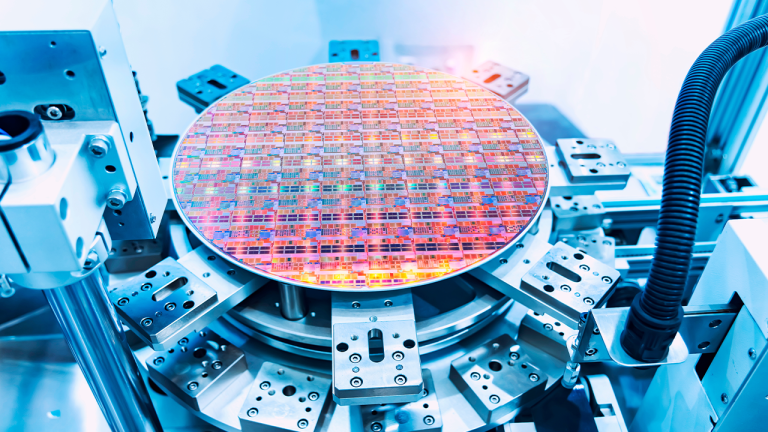
China is the world's largest market for semiconductors, buying about 60% of global chip output. Any easing of restrictions could boost revenues for U.S. companies like Nvidia and Intel, which have seen sales drop due to export bans. Conversely, a sustained détente could also help Chinese tech firms like Huawei and SMIC, which have struggled under sanctions.
But the shift is not without risks. The U.S. government has signaled it will not roll back core national security measures, and any Chinese move that appears too conciliatory could be seen as a sign of weakness at home. Beijing must balance its desire for economic stability with its long-term goal of technological self-sufficiency.
Diplomatic signals and unresolved questions
The policy adjustment comes as both sides have resumed high-level talks on trade and climate. However, the U.S. has not yet confirmed any Xi visit, and the White House has said it will judge China by its actions, not its words. The key question is whether this tech shift is a tactical pause or a genuine strategic pivot.
For now, companies and investors are watching closely. The next few weeks will be critical: if Beijing follows through with concrete implementation, it could pave the way for a meeting. If not, the window may close again.