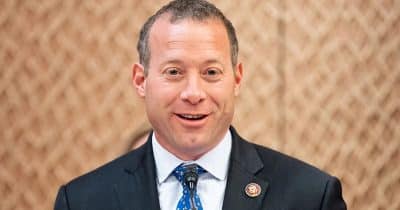
Jeff Bezos, co-founder of Prometheus, has warned that artificial intelligence may lead to labor shortages across industries. The tech entrepreneur suggested that AI-driven productivity gains could push workers toward voluntarily reducing their hours, a shift that might upend traditional economic structures.
The Nature of the Warning
Bezos didn't mince words when he described the potential fallout from rapid AI adoption. In his view, machines will take over many tasks now done by people, creating a mismatch between available jobs and the number of workers. That could mean fewer positions overall, but also a different kind of problem: not enough people willing to fill the jobs that remain.
He pointed to AI's ability to boost output per worker dramatically. When one person can do the work of several, companies may not need to hire as many. The result, Bezos argued, isn't mass unemployment so much as a fundamental rebalancing of how work gets done.
Voluntary Reduced Hours as a Fix
Instead of fighting the trend, Bezos floated the idea that workers might choose to work fewer hours. If productivity rises and wages hold steady, employees could opt for a four-day week or shorter shifts without losing income. That would shrink the labor supply further, but in a way that could benefit individuals who value time over money.
The concept isn't new. Economists have long debated whether technological leaps lead to more leisure or more consumption. Bezos appears to bet on leisure — or at least on a future where people decide to trade extra output for extra free time. That choice, he suggested, could help manage the social disruption AI might otherwise cause.
Economic Implications
If large numbers of people cut their hours voluntarily, the ripple effects would hit everything from tax revenue to consumer spending. Fewer hours worked means lower aggregate income, even if per-hour pay rises. Governments might see a smaller tax base, while businesses could face higher labor costs as they compete for a shrinking pool of willing workers.
Bezos didn't offer policy prescriptions, but his warning puts pressure on leaders to think ahead. Some countries have already experimented with reduced workweeks, and the results have been mixed. Whether AI accelerates those experiments or forces a harder look at universal basic income remains an open question.
The conversation now turns to how policymakers and businesses will respond. Bezos' voice adds weight to a debate that is likely to grow louder as AI tools become more capable.