China is increasingly keeping its best AI talent to itself. Beijing is growing reluctant to let the world-class researchers produced by its booming AI sector go abroad — and the implications reach far beyond geopolitics. For crypto, this strategic shift could splinter the already fragile ecosystem of AI-blockchain projects, spawning a parallel universe of permissioned, government-backed tokens while starving global decentralized AI protocols of top-tier Chinese minds.
Why the talent squeeze hurts decentralized AI
Chinese state-backed AI models like DeepSeek and Ernie are closed-source and centrally controlled. That’s fundamentally at odds with the open, permissionless ethos of crypto AI projects such as Bittensor or Fetch.ai. As Beijing hoards its top researchers, those talents will likely be funneled into state-aligned initiatives that integrate blockchain for compliance and surveillance — not decentralization. The result is a growing chasm between Chinese AI infrastructure and global DeAI protocols, reducing interoperability and data-sharing. For investors in AI tokens with Chinese ties — think Ocean Protocol or SingularityNET — hidden counterparty risk emerges if tighter state control extends to those projects’ development and data pipelines.
📊 Market Data Snapshot
Ex-miners pivot to AI compute
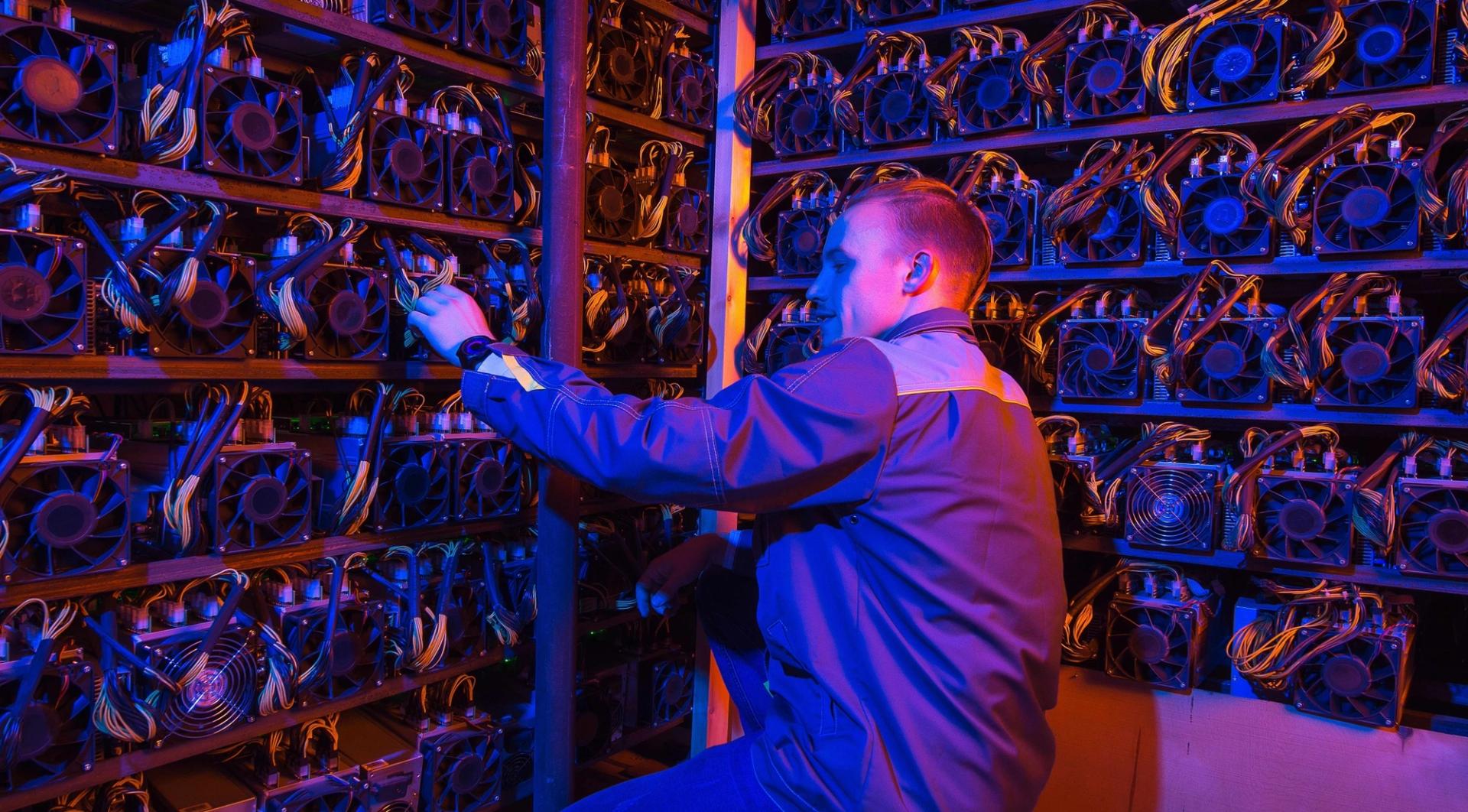
The talent retention is also reshaping hardware dynamics. Former crypto miners, who already operate massive GPU farms from China’s mining ban, are pivoting to AI compute services for domestic AI firms. That creates a new, centralized compute layer competing directly with decentralized networks like Akash and Render. State-subsidized energy and hardware could undercut those networks on price, depressing token yields and staking returns. Anyone holding decentralized compute tokens should be watching Chinese GPU cluster availability closely.
A parallel crypto ecosystem in the making?
China’s talent retention isn’t just about personnel — it’s a signal. As state-aligned researchers develop AI-blockchain hybrids, we could see new token launches from Chinese tech giants or state-linked entities. These would trade on local exchanges with low liquidity, isolated from global capital flows, while global DeAI tokens lose access to the country’s best minds. That bifurcation fragments developer mindshare and liquidity. The risk for Western projects is real: slower innovation cycles as the talent pipeline dries up.
The immediate market reaction has been muted — extreme fear dominates (Fear & Greed index at 11) and BTC hovers in the $66k range. But this structural shift in human capital will play out over months. The concrete thing to watch: any official Chinese statement on AI-blockchain policy, or the first major token launch from a state-backed AI firm. That’s when the split becomes visible.