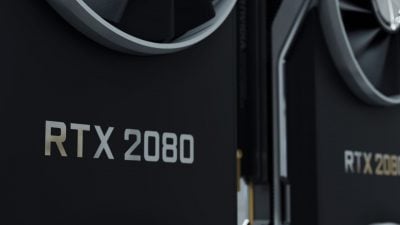
Cloud revenue growth has topped 40% in recent quarters, a clear signal that demand for graphics processing units (GPUs) in artificial intelligence and data-center operations is accelerating. The surge underscores how critical GPUs have become to the infrastructure powering modern AI workloads, and it's reshaping the strategies of the biggest technology companies.
Why GPUs Are Driving the Numbers
The jump in cloud revenue isn't just about more people storing files or streaming video. It's tied directly to the explosion of AI services—training large language models, running inference, and handling real-time analytics. All of that requires massive parallel computing power, and GPUs are the workhorses. Cloud providers are buying them by the thousands, then renting that capacity to businesses that can't afford their own clusters. The result: revenue growth that far outpaces the broader cloud market.
Data centers are being retrofitted to handle the heat and power demands of high-end GPUs. That's a multi-billion-dollar buildout, and it shows up in the top lines of the companies that own the hardware. The 40% figure isn't a one-off; it's been sustained over multiple quarters, suggesting this is a structural shift, not a blip.
Impact on Tech Giants' Strategies
For the largest cloud providers—Amazon, Microsoft, Google—the GPU boom is forcing hard choices. They're competing to secure supply from chipmakers like Nvidia, while also designing their own custom silicon. The revenue growth is welcome, but it comes with higher capital expenditure. Investors are watching closely: can these companies keep spending without crushing margins?
Smaller players are feeling the squeeze. If you're not one of the top three, getting enough GPUs to meet customer demand is a constant struggle. Some are turning to specialized cloud services that focus solely on AI infrastructure. The market is fragmenting, and the winners will be those who can balance growth with stability.
Stability Concerns Amid the Boom
Rapid expansion brings risks. The heavy reliance on a single type of hardware—GPUs—creates a concentration risk. If supply chains hiccup or a new architecture disrupts the market, the entire AI cloud sector could wobble. Regulators are starting to ask questions about market dominance and whether the GPU supply is being allocated fairly.
There's also the question of energy. Data centers running thousands of GPUs consume enormous amounts of electricity. That's a cost and a public relations challenge. Cloud providers are touting renewable energy deals, but the environmental impact remains a concern for some customers and policymakers.
The next round of earnings from major cloud providers will show whether this growth rate can hold. Investors are betting it can, but the margin for error is thin.