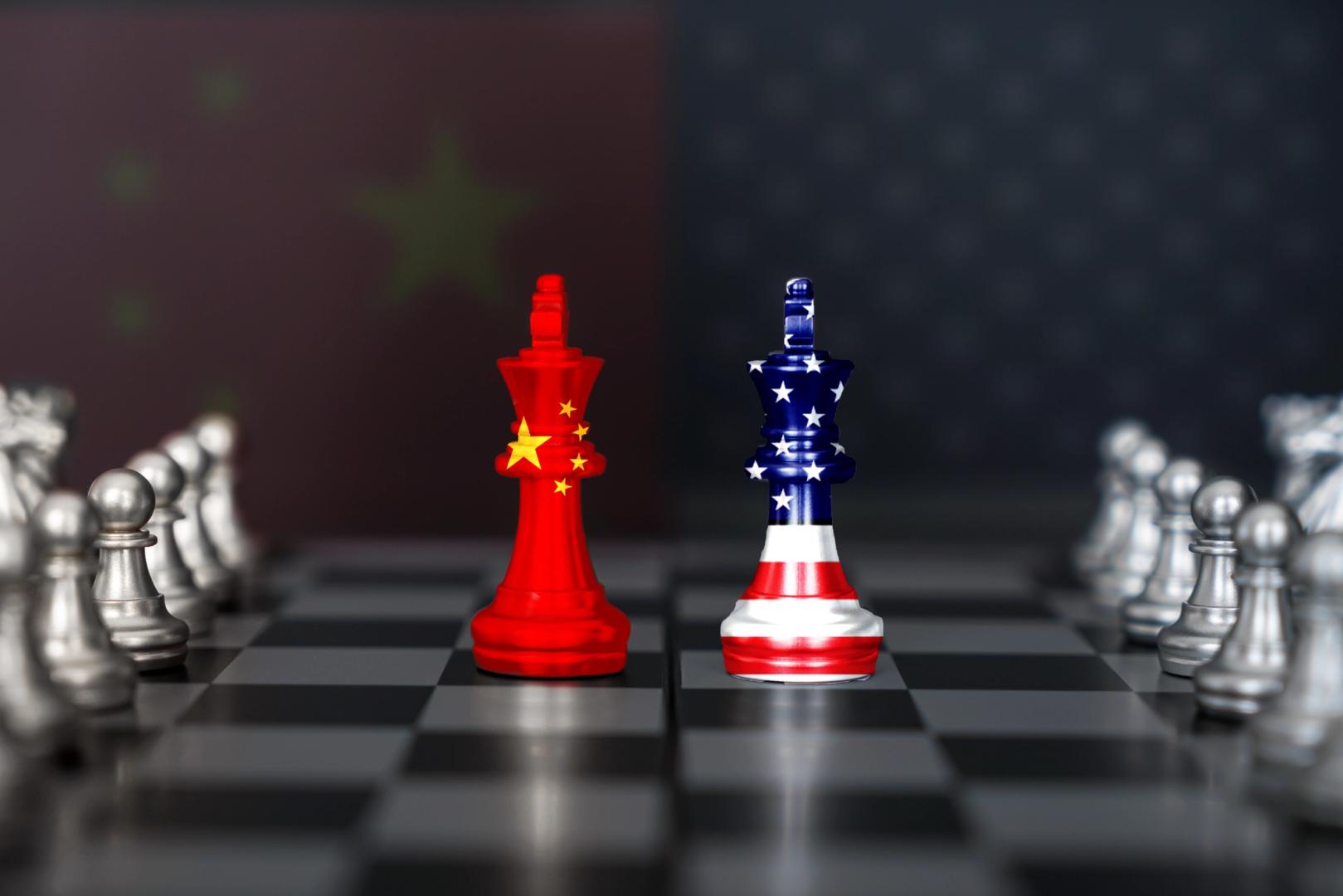
DeepSeek is close to raising nearly $12 billion in its latest funding round, as the Chinese AI company prepares for an initial public offering in 2027. The size of the round — one of the largest ever for a Chinese AI firm — puts DeepSeek in a small group of startups able to attract capital at that scale, even as U.S.-China tensions continue to reshape the global technology supply chain.
What the money is for
The funding is expected to bankroll an aggressive expansion of DeepSeek's model training and inference infrastructure. That means more compute, more data, and more engineers — the three inputs that have defined the race among large language model developers. DeepSeek hasn't publicly detailed how the $12 billion will be split, but the company's recent releases suggest a focus on cost-efficient training methods that don't rely on the most expensive hardware available.
That approach has drawn attention because it runs against the prevailing assumption that only the biggest spenders can compete at the frontier. If DeepSeek can keep its costs down while scaling up, the IPO story becomes about margins as much as technology.
A 2027 listing and the China AI valuation question
The planned IPO in 2027 would give public market investors their first direct stake in a Chinese AI lab of DeepSeek's profile. Beijing has signaled support for domestic AI champions, but listing outside China would run into geopolitical headwinds; a domestic listing would test whether Chinese exchanges can support a company valued at this level.
For now, the company is privately held, and the funding round is still being finalized. Neither the exact valuation nor the full list of investors has been disclosed. What's clear is that DeepSeek's backers are betting the company can hold its own against both Chinese peers and Western labs that have far deeper pockets.
Geopolitics and the chip bottleneck
U.S. export controls have limited Chinese firms' access to the most advanced semiconductors. DeepSeek has responded by optimizing its models to run on less powerful chips — a constraint that has become something of a selling point. If the strategy works, it could redefine how investors value Chinese AI companies, which have often been discounted relative to their American counterparts because of hardware restrictions.
That re-rating, if it happens, would be the real prize. A successful IPO at a high valuation would give other Chinese AI startups a template: build efficient models, raise enormous private rounds, and list domestically. A stumble would reinforce the view that China's AI industry can innovate but can't escape the chip squeeze.
What to watch before 2027
The funding round is expected to close in the coming months, though the company hasn't set a firm date. After that, the focus shifts to revenue. DeepSeek has not disclosed its financials, and IPO investors will want to see paying customers at scale — not just benchmark scores.
The 2027 timeline also leaves room for regulatory changes on both sides of the Pacific. Any new restrictions on Chinese AI firms listing abroad, or on U.S. capital flowing into them, could alter the plan. For now, DeepSeek is moving forward with a raise that would make it one of the most valuable private AI companies in the world — and a test case for what Chinese AI is worth when the public gets to vote.