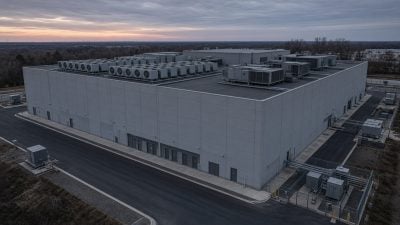
Energy and labor shortages are emerging as significant obstacles to the expansion of AI infrastructure in the United States. These shortages could slow the rapid buildout of data centers and computing facilities needed to support artificial intelligence, with potential ripple effects on regulatory pressures and market expectations. A moratorium in Louisiana highlights the immediate impact of these constraints.
The Louisiana moratorium and its roots
Louisiana has become a focal point for the challenges facing AI infrastructure. A moratorium on new data center construction in the state was driven by concerns over energy availability and workforce shortages. The state's power grid and labor market are straining to accommodate the demands of large-scale AI facilities, which require massive amounts of electricity and specialized technical staff. As a result, officials have paused new projects until these issues can be addressed.
Energy: the bottleneck for AI's voracious appetite
AI infrastructure, particularly data centers that train and run AI models, consumes vast amounts of electricity. The demand is growing faster than the power supply in many regions. Utilities are struggling to keep up, and in some areas, like Louisiana, the strain has led to moratoriums on new construction. This energy bottleneck isn't isolated; it reflects a broader national trend where the grid is already stressed by extreme weather, aging infrastructure, and the electrification of transportation. Without sufficient power, AI expansion will inevitably slow.
Labor shortages: the human factor
Building and operating AI data centers requires a skilled workforce, from electricians and HVAC technicians to data scientists and engineers. But the labor market is tight. Many of these roles require specialized training, and there simply aren't enough qualified workers to meet current demand. The shortage is exacerbated by competition from other industries and the geographic mismatch between where workers live and where data centers are built. In Louisiana, the lack of local talent was a key reason behind the moratorium, as companies couldn't staff their facilities adequately.
Regulatory and market knock-on effects
If AI infrastructure growth slows, regulatory pressures could ease. Policymakers have been scrambling to address the energy and labor challenges posed by AI, but a slower buildout might reduce the urgency for new regulations. At the same time, market expectations could shift. Investors have poured billions into AI, betting on relentless expansion. A slowdown could temper those expectations, leading to reassessments of growth forecasts and stock valuations. The Louisiana moratorium serves as a warning sign that the AI boom may not be as unstoppable as it seemed.
What to watch
Louisiana officials have not set a timeline for lifting the moratorium. The state is working on plans to boost energy capacity and workforce development, but those efforts take time. In the meantime, companies eyeing Louisiana for data centers are looking elsewhere, and other states with similar constraints may follow suit. The next few months will be critical: if energy and labor shortages persist, the AI infrastructure landscape could look very different by next year.