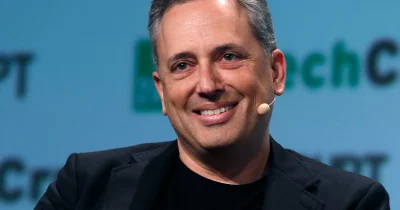
Eric Schmidt was repeatedly booed during his commencement address at the University of Arizona on Friday when he turned to the topic of artificial intelligence, according to Business Insider. The former Google CEO acknowledged student anxiety about AI and job markets, calling their fears 'rational.' The incident, while far from the crypto world, taps into a growing distrust of centralized AI control that some in the digital asset space see as a tailwind for decentralized alternatives.
What students heard
Schmidt's speech at the Tucson ceremony was met with audible disapproval. The booing intensified when he discussed AI's impact on employment and society. He said fears about machines taking jobs, climate change, and politics were rational, per Business Insider. The reaction underscores a generational unease with Big Tech's role in shaping AI's trajectory.
📊 Market Data Snapshot
The anti-centralization angle
For crypto observers, the backlash isn't just about AI—it's about who controls it. Schmidt's tenure at Google makes him a symbol of centralized AI development. The student response mirrors a broader sentiment that has fueled interest in blockchain-based systems where no single entity governs the technology. Some in the industry argue this could accelerate adoption of decentralized protocols designed to verify human participation and reduce bias, though no direct market moves have been observed.
A market in fear
The timing of the event coincides with a period of extreme fear in crypto markets. Bitcoin is trading around $76,800, with altcoins under pressure. While the booing itself won't move prices, it validates structural concerns that could keep capital defensive. Traders are watching whether the narrative shift toward 'sovereign AI' draws any attention to tokens associated with decentralized machine learning networks, even as the broader market stays cautious.
The University of Arizona has not commented on the incident. For crypto, the question is whether this kind of public pushback against centralized AI will translate into tangible demand for on-chain identity and verification tools. With the EU AI Act's enforcement phase approaching, the regulatory landscape could further separate centralized and decentralized approaches. For now, the boos in Tucson are a reminder that trust in Big Tech's AI vision is fragile—and that could have second-order effects in crypto.