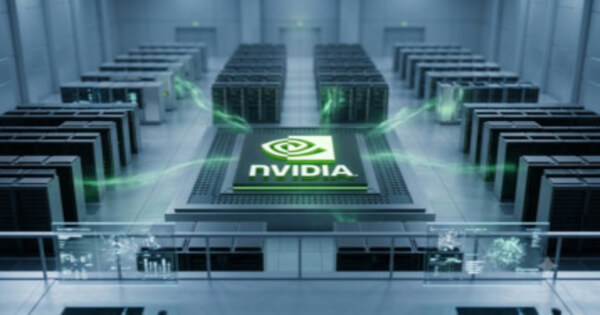
Goldman Sachs projects that spending on AI infrastructure will reach $1.6 trillion by 2031, a figure that underscores the scale of investment expected to flow into the sector over the next several years. The estimate, from the bank's research team, covers the hardware and systems required to build, train, and run artificial intelligence models.
The Building Blocks of AI
AI infrastructure isn't just one thing. It includes the data centers that house the servers, the specialized chips that do the heavy lifting, the networking gear that connects everything, and the power systems that keep it all running. As AI models get bigger and more complex, they demand more of each piece. That's why the projected spending is so large — it's not a single purchase but a continuous buildout.
The numbers also reflect a shift in how companies think about capital. Instead of buying software licenses or office equipment, they're now committing billions to physical assets that may take years to pay off. For many firms, this is a new kind of expense, and it's one that's only going to grow.
Why the Figure Matters
The $1.6 trillion projection gives investors and corporate planners a benchmark. It signals that AI is not a passing fad but a long-term driver of capital allocation. That has ripple effects across the economy. Chipmakers, cloud providers, and utilities are likely to see steady demand for years. Companies that use AI, meanwhile, will have to decide how much of their budgets go to infrastructure versus other priorities.
The scale also raises practical questions. Building that much infrastructure requires vast amounts of electricity, raw materials, and skilled labor. It's not just about writing checks — it's about whether the physical supply chain can keep up. If it can't, the spending might be delayed or spread out over a longer period.
What Could Change the Forecast
A projection is an estimate, not a promise. The $1.6 trillion figure depends on how quickly AI adoption spreads and whether the technology continues to improve at the pace many expect. If AI models become more efficient, companies might need fewer chips and less power. If the hype fades, some projects could be postponed. On the flip side, a breakthrough in AI capabilities could push spending even higher.
There's also the question of who pays. The bank's projection likely assumes that a mix of tech giants, startups, and governments will fund the buildout. But that's a lot of money to raise, and it's not clear where all of it will come from.
The projection leaves an open question: can the industry build and power that much infrastructure in less than a decade? The answer will become clearer as companies release their own capital spending plans in the coming years.