Google DeepMind has released a proposal for what it calls an Intelligent AI Delegation framework — a system designed to let multiple AI agents hand off tasks to each other in a way that's transparent, accountable, and resilient. The framework, detailed in a new technical paper, focuses on three core principles: trust, accountability, and resilience. It's the company's latest attempt to solve a problem that's been nagging the field: how do you know an AI agent can be relied on to delegate work to another AI, and who's on the hook when something goes wrong?
What the framework proposes
The idea is straightforward on its surface. Instead of having a single AI handle everything or a central controller boss agents around, the Intelligent AI Delegation framework lets individual agents decide when to pass a task along. Each agent evaluates the receiving agent's capabilities, its track record, and the context. If Agent A needs help with a math problem it's unsure about, it can delegate to Agent B — but only if it can verify B's reliability.
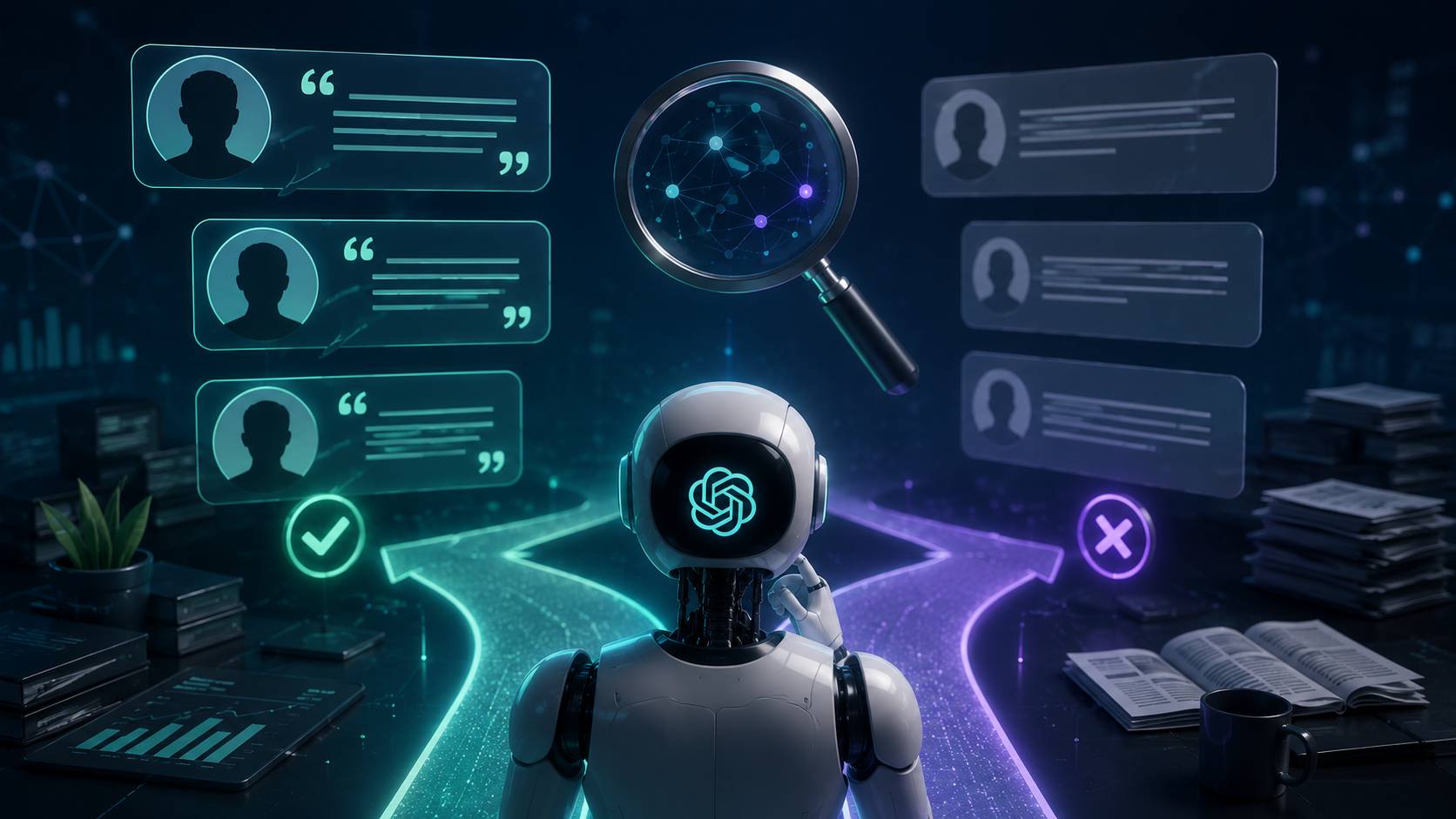
DeepMind's team built this around three pillars. Trust means an agent needs to know whether the other agent is competent and honest. Accountability means there's a clear audit trail: every delegation, every decision, can be traced back. Resilience means the whole system keeps running even if one agent fails or starts acting out of line.
Why trust and accountability matter
Multi-agent AI systems aren't new. Self-driving car fleets, automated trading bots, and large language model pipelines already hand work between modules. But those setups are typically brittle. One broken link or a rogue model can cascade into a mess. DeepMind's framework tries to build in checks so that agents don't blindly trust each other.
Accountability is the trickier piece. If an agent delegates a task and the task fails, who's responsible? The delegating agent? The one that actually did the work? The framework proposes a logging mechanism that records each transfer and each outcome. That way, when something breaks, you can trace back to the exact decision point.
The research doesn't name specific companies or systems that might adopt this. It's a blueprint, not a product. But the implications are wide — any field where AI agents collaborate could eventually use something like this: robotics, healthcare coordination, disaster response, or even generative AI content pipelines.
Resilience in multi-agent systems
The resilience piece addresses what happens when an agent goes rogue — or just goes offline. The framework includes a form of dynamic reconfiguration. If Agent B stops responding, Agent A can't simply wait around. It needs to know where else to send the task, or how to do it itself. The paper outlines a fallback strategy where agents maintain a backup list of trusted peers and can escalate to a human operator if the system can't recover.
This is not the first proposal for trustworthy multi-agent AI. Other labs have worked on reputation systems and blockchain-like ledgers for AI decisions. But DeepMind’s framework is notable for trying to bundle trust, accountability, and resilience into a single set of design principles rather than treating them as separate problems.
The paper is academic at this stage. No code, no deployment timeline, no announced partnerships. DeepMind has not said whether the framework will be integrated into its own products, such as Gemini or any of its research models.
For now, the proposal sits as a theoretical contribution. The real test will come if developers start building systems that follow these guidelines — or if regulators push for this kind of traceability in high-stakes AI applications. The European Union's AI Act, for example, already demands transparency and accountability for high-risk systems. A concrete framework like this could give engineers a working template. But until someone actually implements it at scale, it's just a set of good ideas on paper.