Google engineers are running into computing power limits as the share of new code written by artificial intelligence has jumped to 75%, up from 50% just six months ago, according to internal data. The rapid increase is straining the company's infrastructure and forcing teams to rethink how they allocate resources.
The shift to AI-assisted coding
Six months ago, half of Google's new code came from AI. Now it's three-quarters. That means the company's internal systems are handling a far larger volume of AI-generated suggestions, completions, and automated patches. The shift reflects a broader push across the tech industry to embed AI tools into everyday development workflows. At Google, tools like internal versions of large language models have become standard for writing boilerplate, fixing bugs, and even generating entire functions.
But the jump hasn't come without cost. Every AI query eats up compute cycles, and with more code being generated by models, the demand for processing power has surged. Engineers have reported slower response times from internal AI tools and occasional outages during peak usage.
Strain on internal infrastructure
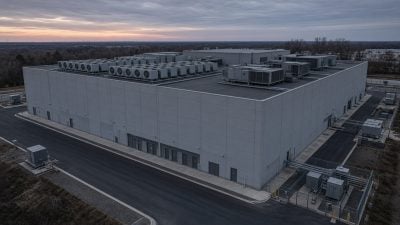
The computing limits are most visible in the data centers that run the AI models. Google's own hardware, including TPUs and GPUs, is now under heavy load from code generation tasks. Some teams have had to queue jobs or limit the number of AI requests per engineer. The company has also started prioritizing certain types of code generation — like security patches or critical bug fixes — over less urgent helper functions.
Google isn't alone in facing this crunch. Other major tech firms have reported similar growing pains as they integrate AI into development. But the speed of the change at Google — a 25 percentage point increase in six months — has caught some internal teams off guard.
What this means for engineers
For the engineers writing the code, the new reality means adjusting workflows. They can no longer rely on AI tools to generate code instantly without planning around compute limits. Some have started batching their requests to off-peak hours. Others are reviewing AI-generated code more carefully, knowing that the models sometimes produce inefficient or buggy output when running under throttled conditions.
Google has not publicly detailed how it plans to address the infrastructure strain. The company likely faces a choice: invest in more hardware, refine the models to be more efficient, or impose stricter limits on AI usage. Each option comes with trade-offs. More hardware costs money and takes time to deploy. Model efficiency gains could slow the pace of improvements. Usage limits might frustrate engineers who have come to rely on the tools.
For now, the situation remains unresolved. Engineers are working around the constraints, but the underlying demand for AI-generated code shows no sign of slowing. The question is how long Google's infrastructure can keep up.