HIVE Digital Technologies says it plans to hit 850 megawatts of sovereign compute capacity by 2030. The company is shifting its focus toward building AI infrastructure, aiming to reduce Canada's dependence on data centers run by foreign firms.
The shift to AI infrastructure
HIVE, a publicly traded cryptocurrency mining firm, has been repositioning itself as an AI and high-performance computing player. Its latest target — 850 MW of sovereign compute — represents a major expansion from its current operations. The company says the push is about more than just adding servers; it's about building out Canadian-owned compute power that can support domestic AI workloads, research, and enterprise needs.
Foreign data centers, many run by U.S. tech giants, currently host a significant share of the country's cloud and AI computing. HIVE wants to change that. By focusing on AI infrastructure, the company hopes to offer an alternative that keeps data and processing power on Canadian soil.
Why sovereignty matters
The concept of "sovereign compute" has gained traction as governments and companies worry about data security, supply chain vulnerabilities, and reliance on foreign cloud providers. For Canada, that concern is acute. Much of the country's digital infrastructure sits on servers owned by non-Canadian companies, often with data stored outside national borders.
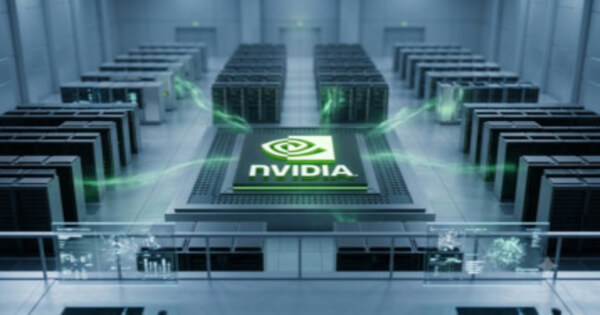
HIVE's plan directly addresses that gap. The company argues that owning the compute stack — from the chips to the cooling systems to the data center real estate — gives Canada more control over its digital future. The 850 MW target is ambitious; for context, a typical large data center today runs at roughly 50 to 100 MW. HIVE would need to build or acquire multiple facilities to reach that level.
Clean energy push
Expanding compute capacity usually means more power consumption. HIVE says it will lean heavily on clean energy sources for its expanded operations. The company already uses hydroelectric and other renewable power for its mining rigs, and it plans to extend that approach to its AI data centers.
That's a selling point. AI training and inference are energy-hungry processes, and data center operators face growing pressure from regulators and investors to cut carbon footprints. HIVE's clean-energy focus could help it attract partners and customers who prioritize sustainability.
But the timeline is long. 2030 is six years away, and HIVE hasn't disclosed specific milestones or funding for the build-out. The company will need to secure sites, negotiate power agreements, and commission infrastructure — all while competing with hyperscalers that have vastly deeper pockets.
Whether HIVE can pull off 850 MW of sovereign compute remains an open question. The company's next quarterly report should offer clues on how quickly it's moving from plans to shovels in the ground.