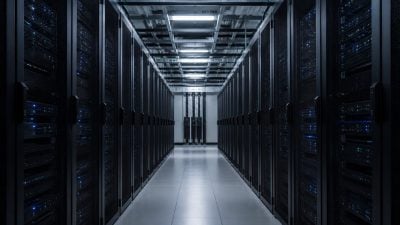
Hyperscaler capital spending is on track to hit $789 billion in 2026, a surge that underscores how aggressively the biggest cloud providers are pouring money into artificial intelligence. The figure, which reflects the latest industry expectations, also raises questions about how far these companies can stretch their balance sheets.
The AI Investment Boom
The jump in projected spending tracks the race to build out AI infrastructure, from data centers to specialized chips. Hyperscalers are betting that the computing power they deploy today will pay off in the form of AI services and products down the line. That bet is getting bigger every year.
But the scale of the outlays is starting to look like a double-edged sword. On one hand, the spending signals confidence in the AI market. On the other, it's a massive commitment that leaves little room for error. If the expected revenue doesn't arrive on schedule, the financial fallout could be severe.
Cash Flow and Debt Pressures
The sheer size of the 2026 projection is raising concerns about cash flow strain and a heavier reliance on debt. With capital expenditures climbing, these companies may need to borrow more or trim other spending to keep their operations funded. That's a shift from the recent past, when many of them generated enough cash to cover their investments without breaking a sweat.
Debt isn't necessarily a problem, but it changes the risk profile. Higher leverage means higher interest costs, and that eats into profits. It also makes the companies more sensitive to any downturn in the economy or the tech sector. The question isn't whether they can afford the spending—it's whether they can afford it without compromising their financial stability.
What the Spending Means
For the broader tech industry, the surge in hyperscaler capex is a signal that the AI buildout is far from over. It also means that the biggest players are doubling down on their own infrastructure rather than relying on third-party providers. That could squeeze smaller competitors who can't match the spending.
Investors are watching closely. The projections for 2026 are just that—projections. They could change if the economy weakens or if AI adoption slows. But for now, the direction is clear: the hyperscalers are all in on AI, and they're willing to take on more debt to get there.
The coming quarters will reveal whether the spending translates into revenue. If it does, the debt will look like a smart bet. If it doesn't, the bill will come due. Either way, the next earnings reports will be telling.