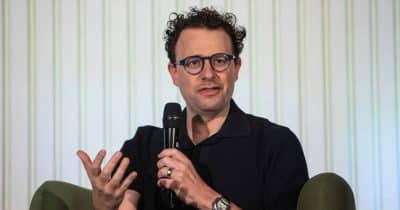
Intel is holding onto its foundry boss. The chipmaker confirmed it will retain Naga Chandrasekaran as Executive Vice President of Foundry, a move the company says is meant to keep leadership stable as it tries to climb back into the top tier of semiconductor manufacturing.
A bet on stability
Chandrasekaran has been leading Intel's foundry business, which builds chips for outside customers. By keeping him in place, Intel is signaling that it values continuity over a fresh start. The company's foundry push is central to its turnaround strategy, and frequent leadership changes have dogged the unit in the past. This retention is meant to avoid that.
Intel's foundry operation is a key piece of its plan to regain manufacturing muscle. The company has been investing heavily in new fabrication plants, especially in the U.S., as it tries to compete with TSMC and Samsung. Chandrasekaran's continued presence is seen by the company as a way to keep those projects on track.
The decision isn't just about Intel's internal strategy. The company's foundry work has become tightly linked with broader U.S. goals for domestic chip production. Washington has poured billions into the CHIPS Act to bring advanced manufacturing back to American soil, and Intel is the largest recipient of those funds. Leadership stability at the foundry division, Intel argues, is crucial for meeting those national priorities.
Semiconductor manufacturing is a long game. Building a fab takes years, and winning customers requires trust and consistent execution. A revolving door at the top could scare off potential clients and slow down construction schedules. Intel is betting that keeping Chandrasekaran in place will help the foundry unit hit its milestones.
Not that the road ahead is smooth. Intel's foundry business has yet to report a profit, and the company is still working to prove it can match the manufacturing quality of its Asian rivals. But the retention of Chandrasekaran is a sign that the company wants to give the current plan time to work.
Intel is scheduled to give an update on its foundry progress next month during its quarterly earnings call. Investors will be watching for any new customer wins and updates on the timeline for its advanced 18A process node. Chandrasekaran will likely face questions about whether the foundry can start generating meaningful revenue soon.