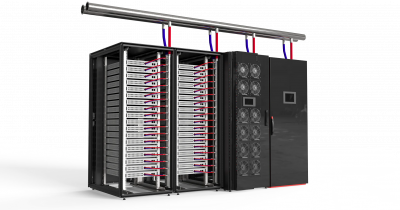
Meta has inked a multi‑year contract with Amazon Web Services (AWS) to integrate millions of AWS‑designed AI chips across its global data centers, a move valued at several billions of dollars. The agreement signals a decisive pivot away from the company’s historic reliance on Nvidia GPUs and positions Meta at the forefront of next‑generation artificial‑intelligence infrastructure.
Why Meta Chose AWS AI Chips Over Traditional GPUs
What drives a tech giant to overhaul its hardware foundation? For Meta, the answer lies in the promise of custom silicon that can deliver higher throughput per watt while slashing operational costs. AWS’s Inferentia and Trainium processors are engineered specifically for large‑scale machine‑learning workloads, offering up to 3× the inference speed of conventional graphics cards according to Amazon’s internal benchmarks. By deploying these chips at scale, Meta aims to accelerate its AI‑powered products—from content recommendation engines to augmented‑reality features—without the latency penalties that have plagued earlier deployments.
Financial Stakes and Scale of the Deal
Industry analysts estimate the partnership could be worth anywhere between $2 billion and $5 billion over its lifespan, reflecting both the massive volume of hardware and the long‑term service agreements attached to it. To put the magnitude in perspective, the rollout will involve “millions” of chips—a figure that dwarfs Meta’s previous AI‑hardware purchases, which were measured in the low‑hundreds of thousands of GPU units. This scale not only underscores Meta’s ambition to dominate AI research but also hints at a broader shift in cloud‑based compute economics.
Potential Ripple Effects Across the Tech Ecosystem
How might this alliance reshape the competitive landscape? By aligning with AWS, Meta gains access to Amazon’s extensive suite of AI services, including Sage‑Maker for model training and Bedrock for generative AI. This integration could lower the barrier for smaller developers to tap into Meta’s AI models, fostering an ecosystem of third‑party applications that leverage the social network’s data troves. Conversely, Nvidia may feel the pressure to accelerate its own custom‑chip initiatives, a dynamic that could spur rapid innovation across the silicon market.
Key Benefits Expected from the Migration
- Reduced energy consumption: AWS claims its AI chips cut power usage by up to 40% compared to leading GPUs.
- Faster model iteration: Specialized training hardware can shrink development cycles from weeks to days.
- Cost efficiency: Bulk pricing and integrated cloud services are projected to save Meta billions in long‑term CapEx.
- Scalable reliability: AWS’s global infrastructure promises higher uptime and redundancy for critical AI workloads.
Expert Perspectives on the Strategic Shift
“Meta’s decision to partner with AWS reflects a broader industry trend toward purpose‑built AI silicon,” says Dr. Lena Patel, senior analyst at TechInsights. “The ability to control both the hardware stack and the surrounding software services gives Meta a competitive edge that pure GPU solutions can’t match.”
Meanwhile, an AWS spokesperson added, “Our AI‑optimized chips are designed to handle the most demanding workloads at scale, and Meta’s adoption validates the performance and cost benefits we’ve been delivering to enterprise customers.”
Looking Ahead: What This Means for Users and Developers
Will Meta’s users notice a difference? In the short term, faster recommendation algorithms could translate into more relevant content feeds, while developers may gain access to richer AI tools through Meta’s open‑source initiatives. Over the next few years, the partnership could also accelerate the rollout of immersive AR experiences, as lower‑latency inference becomes critical for real‑time visual processing.
In conclusion, the Meta AWS AI chips alliance marks a watershed moment for the company’s hardware strategy, promising cost savings, performance gains, and a tighter integration of AI services. As the deployment progresses, stakeholders—from advertisers to app creators—should keep an eye on how this infrastructure overhaul reshapes the digital landscape. Stay tuned for updates as Meta continues to redefine the boundaries of social‑media‑driven artificial intelligence.