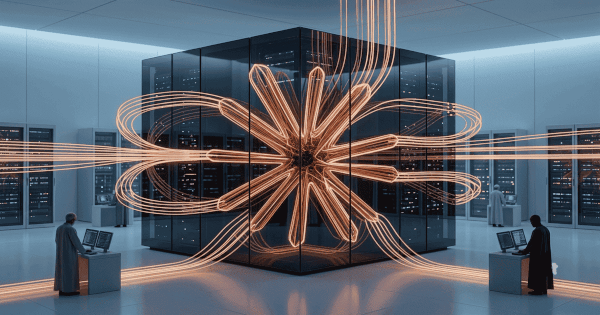
Meta has started building data centers inside large tents, a move aimed at reducing costs and accelerating the rollout of infrastructure needed for artificial intelligence. The approach marks a significant shift toward rapid, cost-effective construction — but it also raises questions about long-term reliability and resilience.
The Tent Strategy
The tent-based data centers are part of Meta’s effort to keep pace with AI demand without the traditional capital-intensive building process. By using temporary structures, the company can deploy computing resources faster and at lower upfront expense. The approach highlights a broader trend in the industry: prioritizing speed and cost savings over permanent, heavy infrastructure.
For Meta, the stakes are high. The company is pouring billions into AI development, and data center capacity is a bottleneck. Tents offer a way to stand up computing clusters in weeks rather than years, and at a fraction of the cost of a conventional data center build-out.
Reliability and Resilience Concerns
But the tent-based approach has drawn scrutiny over whether such structures can withstand the demands of high-density computing. Temperature control, dust, and structural integrity become more challenging in temporary fabric buildings. Unlike concrete-and-steel data centers, tents are more vulnerable to weather, physical damage, and environmental fluctuations.
The design raises concerns about reliability and resilience. For a company that runs some of the world’s largest online services, any downtime or hardware failure in these makeshift facilities could cascade into broader disruptions. Engineers familiar with data center architecture note that even minor environmental shifts can affect sensitive AI training hardware.
Meta has not detailed how it plans to mitigate those risks in the tent environments. The company's decision to go this route suggests it believes the trade-off between speed and resilience is acceptable — at least for now.
The question now is whether Meta’s bet on tents will pay off as the company continues to expand its AI capabilities. The first tent-based facilities are already operational, and their performance will determine whether this becomes a standard practice or a short-lived experiment.