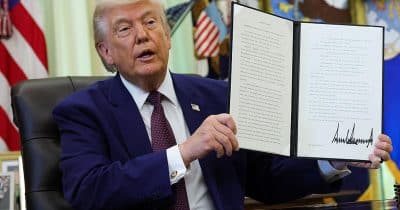
Meta's top policy executive, Joel Kaplan, has responded to former President Donald Trump's proposal for government ownership stakes in artificial intelligence companies. The plan, which would mark a significant shift in how AI firms are controlled, could reshape industry dynamics by potentially reducing direct oversight for large players like Meta and Google.
The Trump Ownership Plan
Trump's proposal calls for the government to take ownership positions in AI companies. While details remain vague, the idea has sparked debate over its implications for regulation and competition. Proponents argue it could align national interests with AI development, but critics warn it might concentrate power and limit innovation.
Under the proposed framework, companies such as Meta and Google could face less stringent oversight than current regulatory approaches. That potential advantage makes the plan particularly relevant to Meta, which has navigated a patchwork of AI rules globally. Kaplan's response—made in his role as Meta's head of global policy—signals the company's engagement with the proposal as it considers the possible effects on its business and the broader industry.
Industry Dynamics Shift
The proposal arrives amid growing government interest in AI regulation. If adopted, it would alter the competitive landscape by favoring established firms with resources to partner with or be partially owned by the state. Smaller startups, lacking such ties, could find themselves at a disadvantage. The response from Kaplan, a seasoned Republican policy hand, underscores how major tech companies are actively monitoring and reacting to political signals from Washington.
No further details on Kaplan's exact remarks have been released. The proposal itself faces uncertain prospects, with no formal legislative vehicle yet attached. For now, the industry watches as Trump's idea circulates among policymakers and tech leaders alike.