Micron Technology's market capitalization has crossed the $1 trillion mark, a milestone powered by a 700% surge in the company's stock over the past year. The rally reflects how artificial intelligence is reshaping valuations in the semiconductor sector.
The 700% climb
Micron's stock surge is tied directly to the boom in AI computing. The company makes memory chips — DRAM and NAND — that are essential for training and running AI models. As data centers race to build out infrastructure, demand for high-bandwidth memory has skyrocketed. Micron's market cap jumped from roughly $125 billion to over $1 trillion in about 12 months, a pace that outpaced nearly every other major chipmaker.
The milestone puts Micron in a club that includes Nvidia, TSMC and a handful of tech giants. Unlike many of those peers, Micron's revenue is still heavily tied to cyclical memory markets. That makes the valuation leap all the more striking.
Why AI memory matters
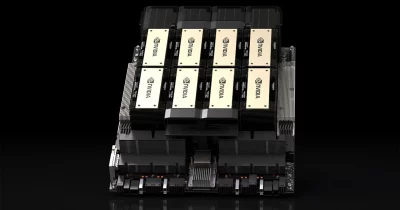
Memory isn't the flashiest part of an AI system — that title goes to the GPUs. But without fast, dense memory, even the best processors stall. Micron's high-bandwidth memory (HBM) is used in Nvidia's accelerators, and the company has been ramping production to meet orders. The current generation of HBM is already sold out for 2024, and next-generation HBM4 is in development.
Memory prices have also recovered after a brutal downturn in 2022 and early 2023. The combination of higher prices and higher volumes from AI demand has driven Micron's revenue and profit sharply higher. Analysts estimate that AI-related memory will account for a growing share of Micron's sales over the next few years.
What keeps the rally alive
Future growth of Micron depends on sustained demand for AI memory. The company's own guidance has been upbeat, but the broader AI investment cycle remains the wild card. If cloud providers slow their data center buildouts, or if AI adoption hits a plateau, memory demand could soften. Micron is also facing increased competition from Samsung and SK Hynix in the HBM market.
For now, the market is betting that AI memory demand has room to run. Micron's next earnings report, due in late June, will give a clearer picture of whether orders are still accelerating. Investors will be watching for updates on HBM pricing and capacity expansion.