Elon Musk and top OpenAI executives were put through hours of intense questioning this week in a trial that has become a flashpoint for the tech industry’s deepest tensions over artificial intelligence. The proceedings, which began Monday in a federal courtroom, center on competing visions of how AI should be built, controlled, and shared — with no clear winner yet in sight.
Questions that cut to the core
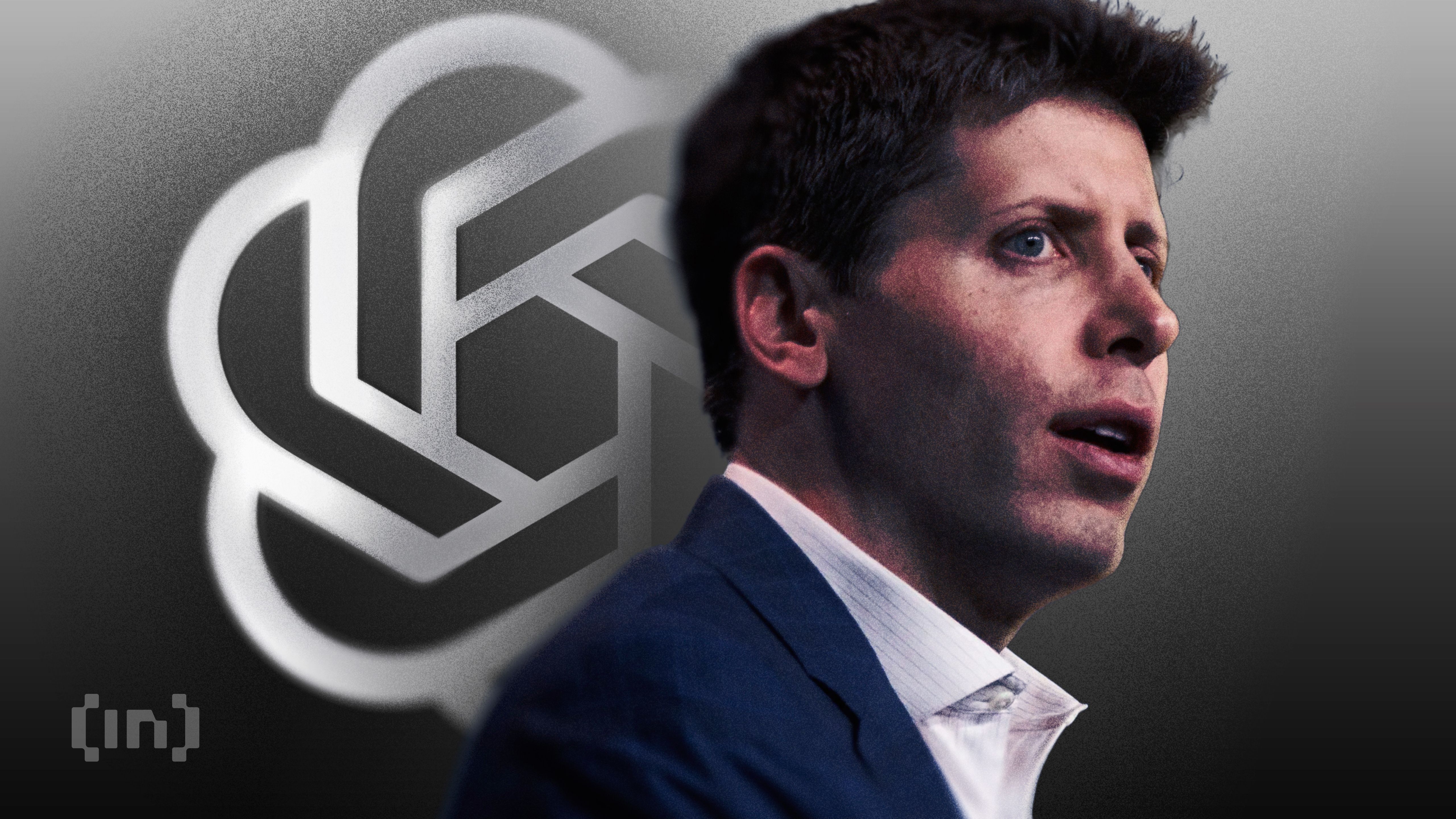
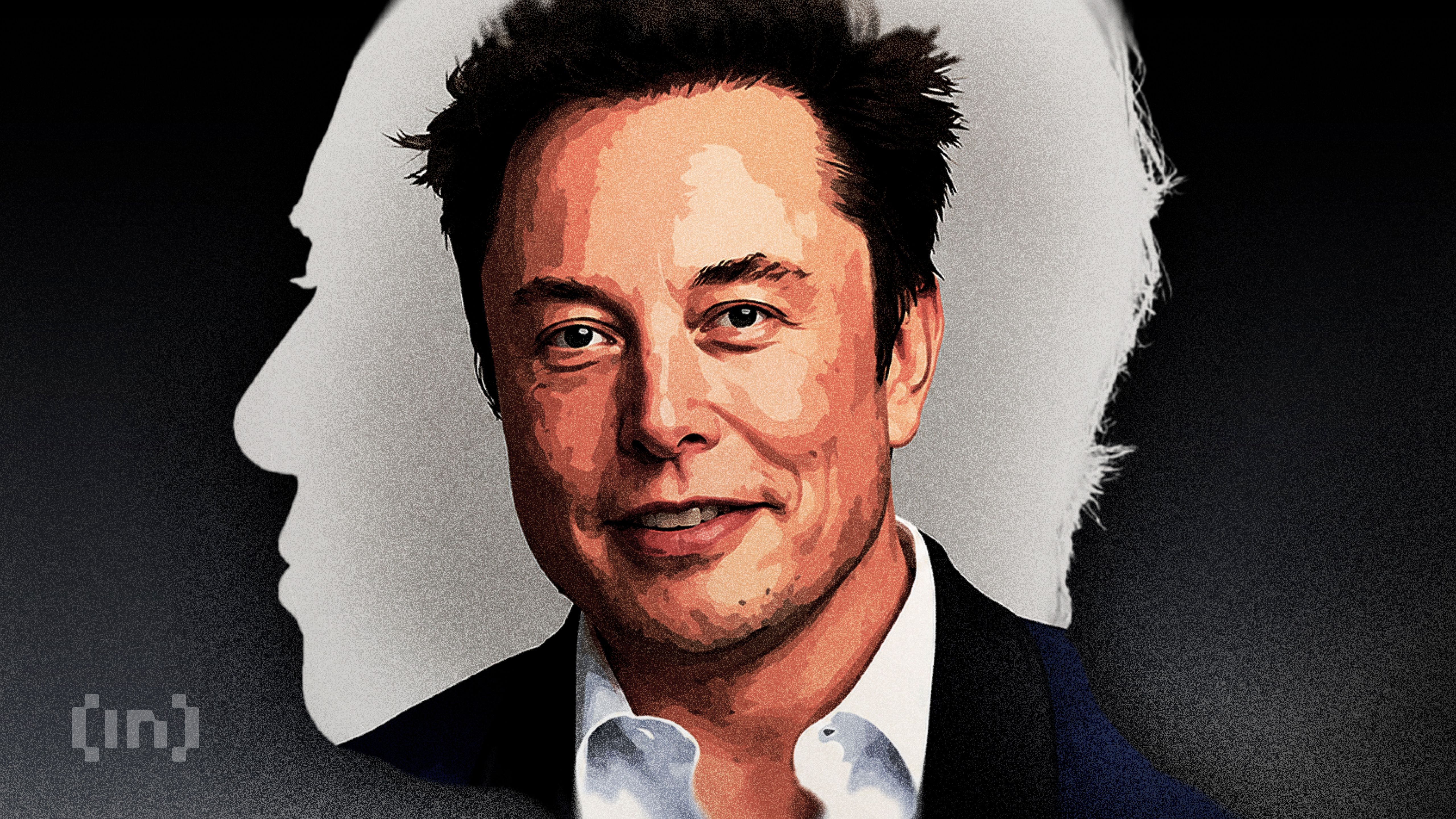
The interrogation focused on decisions made inside OpenAI over the past two years. Musk, who was an early backer of the nonprofit before it restructured, faced sharp queries about his own shifting stance on AI safety. OpenAI’s leadership, including CEO Sam Altman, were pressed on governance changes that critics say prioritized profit over precaution. Neither side offered a clean narrative. The courtroom exchanges laid bare the strategic and ethical fault lines that have split the AI world: open-source vs. closed models, safety-first vs. speed-to-market, and nonprofit ideals vs. corporate reality.
Why this trial matters beyond the courtroom
The case has drawn an unusually packed gallery of tech investors, policy researchers, and rival AI lab employees. At stake isn’t just the reputation of the people in the room — but the rules that will govern the next generation of powerful AI systems. The outcome could set a legal precedent for who controls the technology and under what obligations. Regulators in Europe and the U.S. are watching closely, because a ruling here could influence how future AI partnerships are structured and how liability for harm is assigned.
What the questioning revealed
Under oath, both Musk and OpenAI executives acknowledged that internal disagreements over safety protocols and funding structures had been more severe than previously disclosed. Musk testified that he had warned the board about potential misuse of OpenAI’s technology months before he left. OpenAI’s current executives countered that their governance model had evolved precisely to prevent any single person — including Musk — from steering the company’s direction unilaterally. The judge pressed both sides for concrete examples, but many details remain under seal.
The trial is expected to run through the end of the week. A decision from the judge could come weeks or months after closing arguments. Until then, the tech world will be left with one unanswered question: Can the people building the most powerful tools on Earth also agree on how to keep them safe?