Nous Research's Hermes Agent, an open-source AI agent framework optimized for always-on local use on NVIDIA hardware, has crossed 140,000 GitHub stars in under three months and is now the most used agent on the OpenRouter platform as of last week. The rapid adoption signals a shift toward locally-run AI agents that don't rely on centralized cloud services.
How Hermes works
Hermes is provider- and model-agnostic, but it's specifically optimized for NVIDIA hardware. It integrates with messaging apps, can access local files, and runs 24/7. The agent writes and refines its own skills based on feedback, and treats sub-agents as short-lived, isolated workers. Nous Research says it curates and stress-tests every skill, tool, and plug-in shipped with the framework.
📊 Market Data Snapshot
The efficiency leap
The framework supports Qwen 3.6 models from Alibaba — the 27B and 35B variants outperform previous models that were three to four times larger. The Qwen 3.6 35B model runs on roughly 20GB of memory while surpassing 120B models that needed 70GB or more. That efficiency matters for local users: NVIDIA's DGX Spark, a compact AI supercomputer with 128GB unified memory and 1 petaflop of AI performance, can comfortably run multiple Hermes agents simultaneously.
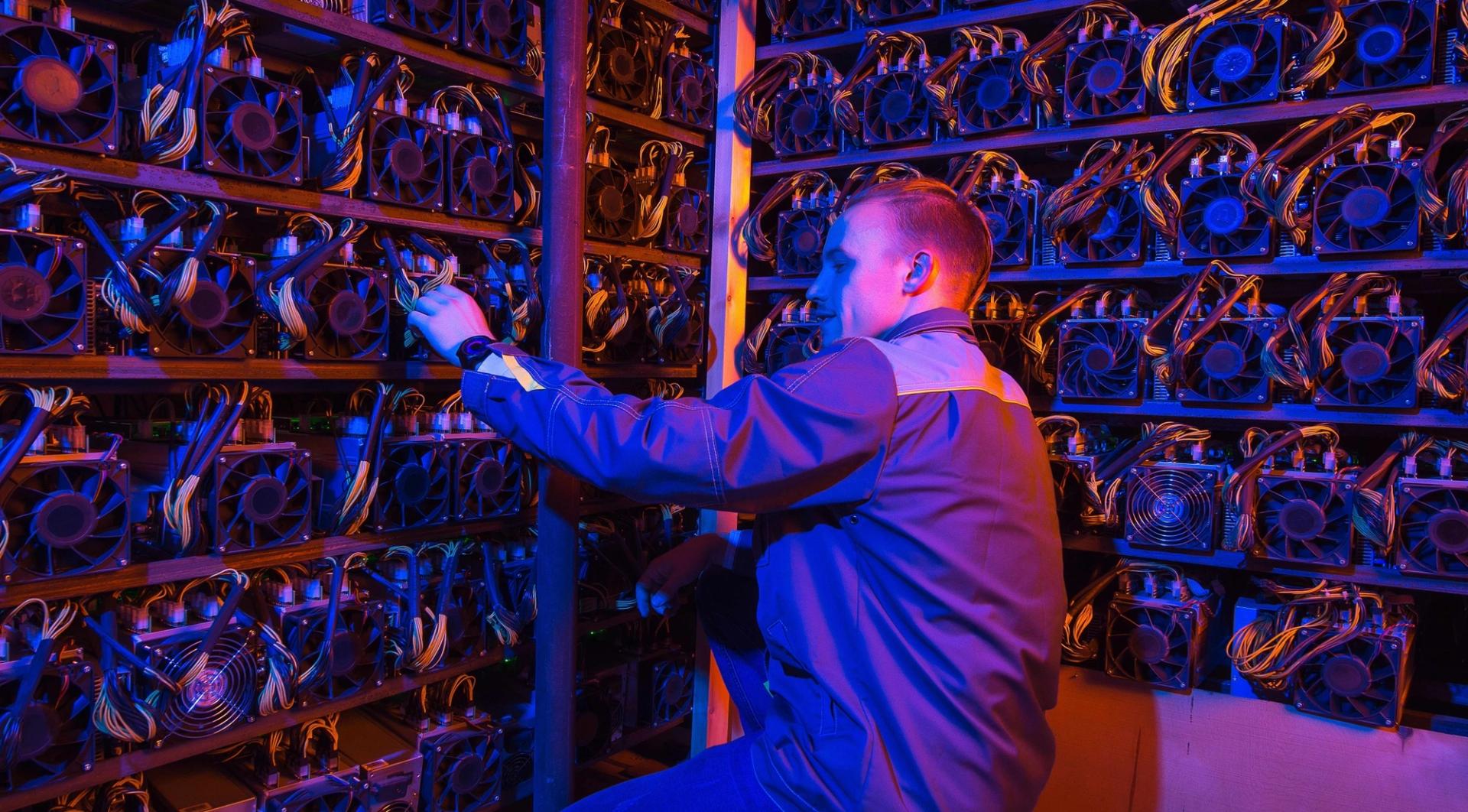
As thousands of users deploy Hermes on high-end consumer GPUs, demand for those chips is likely to spike. That could squeeze supply available for crypto miners, raising the cost of mining GPU-based coins. The timing isn't great for miners already facing a bearish market — Bitcoin is trading around $66,735 with extreme fear at a Fear & Greed Index of 11. If the squeeze tightens, GPU-mineable altcoins could see price support from reduced supply, though that remains speculative for now.
The flip side for decentralized compute
Hermes' efficiency gains also cut both ways for decentralized compute networks. Running powerful agents locally reduces the need to rent cloud GPUs from tokenized marketplaces. In the medium term, that could dampen demand for some decentralized physical infrastructure (DePIN) projects. But if local resources max out, those networks could still serve as a fallback scaling layer. For now, the market is ignoring the narrative — extreme fear dominates.
Nous Research hasn't announced a specific roadmap for Hermes beyond continued skill curation. The next version of the framework is expected later this quarter, but no date is set.