Jensen Huang, chief executive of Nvidia, used the G20 stage to argue that artificial intelligence should be treated as national infrastructure, putting a price tag of $50–60 billion per gigawatt on the computing capacity needed to power it. The pitch, delivered to leaders of the world's largest economies, could shift how governments invest in and regulate AI.
The price of a gigawatt
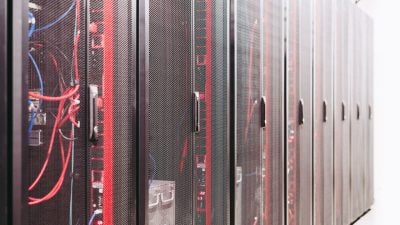
Huang's estimate is not a small number. A single gigawatt of AI computing capacity, he said, would cost between $50 billion and $60 billion to build. That includes the data centers, the chips, the cooling systems, and the energy supply required to run them. For context, a typical nuclear reactor produces about one gigawatt of electricity, but Huang is talking about the entire AI stack, not just the power generation.
The figure is meant to frame AI as a heavy, physical industry, not a lightweight software layer. By putting a dollar amount on it, Huang is telling governments that AI is something they need to plan for, budget for, and build like roads or power grids.
Why governments are listening
The G20 is where national economic strategies get discussed, and Huang's message lands at a moment when many countries are already competing for AI dominance. If AI is infrastructure, then it becomes a public works project, not just a private sector race. That framing could push governments to fund AI capacity directly, or to offer incentives for private companies to build it.
It also changes the conversation about investment. Instead of asking whether AI is worth the money, the question becomes how much a country can afford to fall behind. Huang's cost estimate gives leaders a concrete number to work with, even if it is a rough one.
Regulatory ripple effects
Treating AI as national infrastructure has regulatory consequences. Infrastructure is typically subject to different rules than consumer technology. It gets classified as critical, which means governments may impose stricter oversight on who builds it, who operates it, and how it is used. Huang's pitch could accelerate that trend, pushing regulators to think about AI in terms of national security and public utility rather than just innovation.
That could mean new permitting processes, energy grid requirements, and even export controls. The G20 is not a lawmaking body, but its members set the tone for their own domestic policies. If the framing sticks, expect to see AI infrastructure appear in national budgets and strategic plans over the next few years.
Huang's estimate is not the last word. The actual cost will vary by location, technology, and scale. But the pitch has been made, and the number is on the table. How G20 members respond, and whether they start treating AI like bridges and broadband, will become clear as they draft their next round of economic and technology policies.