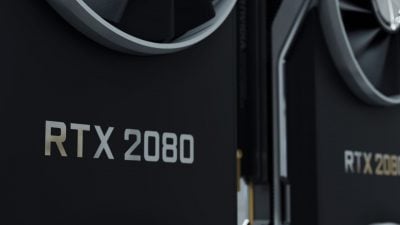
Nvidia is now using its graphics processing units as collateral for loans tied to AI data centers, a financing move that could shift how the industry values its physical assets. The strategy is already prompting investors to take a harder look at the assumptions behind data center loan valuations.
A new kind of collateral
For years, data center loans have been backed by real estate, power infrastructure, and traditional servers. Nvidia's decision to put GPUs on the line changes that equation. The chips are among the most expensive components in an AI facility, and their resale value is a matter of intense debate. By making them the basis for borrowing, Nvidia is effectively betting that these assets will hold worth over the life of a loan.
That bet could redefine asset valuation across the data center industry. If lenders accept GPUs as reliable collateral, other chipmakers and operators may follow suit. If they don't, the financing landscape for AI infrastructure could tighten.
Impact on financial strategies
The financing strategy doesn't just affect Nvidia's balance sheet. It ripples into how companies plan their capital, how lenders assess risk, and how investors judge the health of AI projects. A loan backed by GPUs ties the value of the debt to the volatile market for chips. That introduces a new layer of risk that wasn't there when the collateral was a building or a power contract.
Risk assessments are shifting accordingly. Lenders now have to consider chip depreciation, technological obsolescence, and the possibility of a sudden drop in demand for specific GPU models. These are factors that traditional data center financing never had to weigh so heavily.
Investor scrutiny
Investors are questioning the valuations attached to data center loans, and Nvidia's move is the reason. The concern is straightforward: if GPUs are the collateral, then the loan's value depends on the chips' resale price. That price can swing with every new product release or shift in AI spending.
The questions are not abstract. They are showing up in due diligence, in loan terms, and in the way analysts model the risk of AI infrastructure projects. Some investors are asking whether the collateral is as solid as it looks on paper. Others are wondering if the strategy is a sign that traditional valuation methods no longer fit the industry.
Nvidia has not commented on the specifics of the financing arrangements. The company's position is clear, though: it is willing to put its own hardware behind the loans it helps enable. That confidence is either a signal of strength or a gamble, depending on who you ask.
What the shift means for the industry
The move could have lasting effects on how data center assets are appraised. If GPU-backed loans become common, the value of a data center might be measured less by its square footage and more by the computing power inside it. That would be a fundamental change for an industry built on real estate and power contracts.
For now, the immediate impact is on the lending side. Banks and other financiers are recalibrating their models to account for the new collateral. That recalibration is likely to influence everything from interest rates to loan-to-value ratios on future AI projects.
The next few months will show whether lenders embrace the strategy or push back. Investors are watching closely, and their questions are not going away. How the market answers them will determine whether Nvidia's gamble becomes a standard practice or a cautionary tale.