Nvidia is spending billions to expand its AI operations across chips, data centers, and infrastructure, a bet that could reshape the AI landscape and concentrate power in the sector. The investments touch every layer of the AI stack, from the processors that train models to the facilities that run them.
Where the Money Is Going
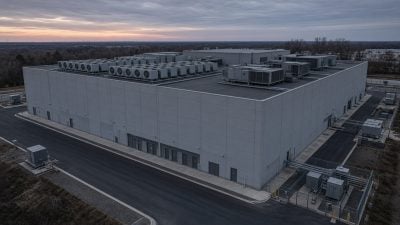
The company's push spans the core components of AI computing. On the chip side, Nvidia is scaling up production of the processors that power machine learning workloads. In data centers, it's building out capacity to handle the massive compute demands of modern AI models. And in infrastructure, it's investing in the networking and cooling systems that keep those centers running.
This isn't a single project or a one-off purchase. The scale of the spending suggests a long-term commitment to owning the entire AI hardware stack. Nvidia already dominates the market for AI training chips, and these investments would deepen that lead.
The Centralization Question
That concentration is exactly what worries some observers. If Nvidia controls the chips, the data centers, and the infrastructure, it holds enormous leverage over who gets to build AI and how. Smaller startups and research labs already depend on Nvidia hardware; a bigger footprint could make that dependence permanent.
The potential for centralization isn't just about market share. It's about influence over the direction of AI itself. Companies that control the infrastructure can shape which models get trained, which applications get deployed, and which regions get access to cutting-edge compute.
Global Tech Infrastructure Impact
Nvidia's investments also carry a global dimension. Data centers and infrastructure aren't confined to one country. The company's expansion could shift where AI compute is located, affecting everything from energy grids to data sovereignty rules. Countries that host Nvidia's facilities may gain an edge in AI development, while others could fall further behind.
The ripple effects could be felt across the tech industry. Cloud providers, software companies, and even governments all rely on the kind of infrastructure Nvidia is building. As the company grows, its decisions about where to invest and what to prioritize will influence the entire global tech ecosystem.
None of this is guaranteed to happen. The investments could stumble on supply chain issues, regulatory hurdles, or shifts in demand. But the direction is clear: Nvidia is betting that AI's future depends on hardware, and it's putting billions behind that bet.
The company hasn't laid out a specific timeline for when these investments will fully land. What's certain is that the AI industry will be watching closely as the spending rolls out, and the competitive landscape could look very different once it does.