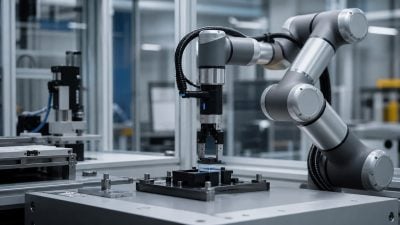
NVIDIA is betting that Physical AI — a blend of artificial intelligence with real-world machines — will drive the next big shift in technology. The chipmaker describes it as the 'next wave' and is positioning alongside industrial automation giant ABB to advance robotics and factory automation. For investors, the trend carries real implications: new markets, new competition, and a potential reordering of who wins in the hardware-software stack.
What Physical AI means
Physical AI refers to machines that can perceive, reason, and act in the physical world — think robots that handle assembly lines or autonomous vehicles navigating a warehouse. NVIDIA argues that the leap from digital AI, which processes images or text, to embodied AI that moves and manipulates objects is where the industry is headed. The company has been building software and hardware platforms tailored to that transition, including its Jetson line for edge robotics and the Omniverse simulation environment for training systems before they're deployed.
Why NVIDIA and ABB are in the picture
NVIDIA and ABB aren't alone, but their collaboration signals how mainstream the push has become. ABB, one of the largest suppliers of industrial robots, already integrates NVIDIA's simulation and AI tools into its robotic controllers. The idea is to let customers test and tweak factory workflows in a digital twin before committing to physical reconfigurations. Both companies have pointed to physical AI as a way to cut downtime and improve flexibility in manufacturing — a pitch that's landing with automakers, logistics operators, and electronics assemblers.
What investors should watch
The trend opens a few distinct angles. First, demand for specialized chips — NVIDIA's GPUs and its upcoming Grace-Hopper and Thor platforms — could grow as more robots require real-time AI processing. Second, software and simulation tools from NVIDIA, like Isaac Sim and Metropolis, may create recurring revenue streams beyond one-time hardware sales. Third, ABB and other incumbents face pressure to keep pace with newer robotics startups that are built around AI from the ground up. None of this guarantees a straight line upward; the industrial market moves slowly, and adoption cycles can stretch for years. But the strategic direction is clear: both companies are allocating resources as if physical AI is a long-term bet, not a speculative side project.
The next milestone to watch is how quickly manufacturing customers start deploying AI-enabled robots in meaningful numbers. Neither NVIDIA nor ABB has offered a public timeline beyond general statements about growth. For now, the investment case rests on faith that the technology will cross the gap from lab demo to factory floor.