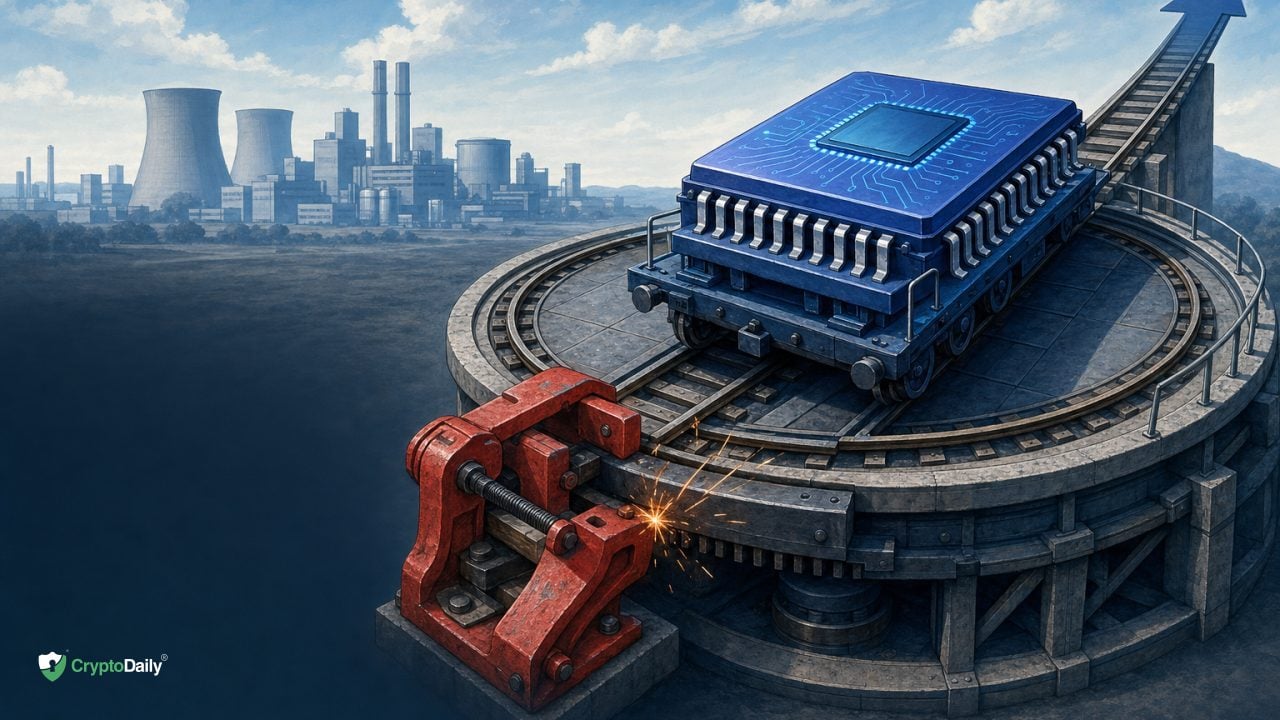
Nvidia CEO Jensen Huang is betting big on a new processor. He predicts the company's Vera CPU will tap into a $200 billion market driven by AI agents. The forecast comes as Nvidia's grip on AI hardware tightens, raising questions about competition and the future of decentralized networks.
What the Vera CPU means for AI agents
Huang's $200 billion figure isn't just a number — it's a claim about where computing is headed. AI agents, software that can act autonomously, need specialized chips to run efficiently. Nvidia's Vera CPU is designed for that task. The company already dominates the market for AI training chips, and Huang sees Vera as the next step in controlling the full stack.
Why some worry about market concentration
Nvidia's hardware dominance could make it harder for smaller players to break in. Rivals like AMD and Intel already struggle to catch up in the AI chip race. If Vera succeeds, Nvidia would own not just the graphics processors that train models but also the central processors that run them. That concentration might stifle innovation in decentralized networks, which depend on a diverse hardware ecosystem.
Decentralized AI projects rely on distributed computing resources. A single dominant supplier — Nvidia — could create bottlenecks and raise costs. Developers have voiced concerns, but no formal pushback has emerged yet.
The challenge for AMD and Intel
AMD and Intel haven't matched Nvidia's AI performance. Huang's Vera prediction only widens the gap. Neither company has announced a direct competitor to the Vera CPU. Intel's upcoming Granite Rapids server chips target general workloads, not AI agents specifically. AMD's MI300 series focuses on accelerators, not CPUs for agentic tasks. The gap leaves Nvidia with a clear runway.
Nvidia has not released a launch date for the Vera CPU. The industry will watch for Vera's specs and pricing. Meanwhile, the Federal Trade Commission has not signaled any investigation into Nvidia's AI hardware market share. For now, Huang's prediction stands as a target — and a warning to anyone hoping for a more level playing field.