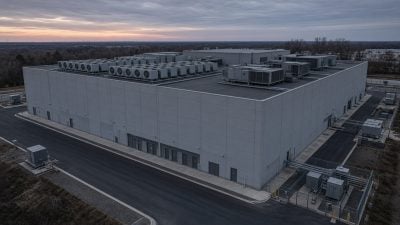
Oracle's massive data center in New Mexico is behind schedule. The cause: a 17-mile natural gas pipeline that hasn't been completed, according to the company's latest update. The delay is already rippling through construction timelines and raising questions about investor confidence.
Why the pipeline matters
The data center—a multi-building campus designed to host cloud infrastructure—needs a reliable power supply. That power depends on natural gas, which is supposed to flow through a dedicated pipeline spanning 17 miles. Until that line is finished, the facility can't run its backup generators or, in some cases, its primary systems.
Oracle hasn't said exactly when the pipeline will be complete. The company's public statements describe the issue as a "supply chain and permitting challenge" rather than a technical failure. But the result is the same: the data center's opening date keeps slipping, and each delay pushes back the day when Oracle can start generating revenue from the site.
Investor confidence takes a hit
Wall Street had been watching the New Mexico project closely. It's one of Oracle's largest infrastructure bets in the U.S., and the company has promised big things from the campus—more capacity, lower latency, and a foothold in the Southwest's energy grid. Missing a deadline on a project of this scale doesn't go unnoticed.
Shares have wobbled since the delay became public, though Oracle hasn't quantified the financial impact. Analysts following the company note that construction delays at major data centers are not unusual, but the pipeline issue is specific and unresolved. The longer it drags on, the more it costs—both in dollars and in credibility with clients who expect cloud capacity on a set schedule.
What's at stake for the region
The data center is also a big deal for New Mexico. The project promised hundreds of construction jobs and dozens of permanent positions once operational. Local officials have touted it as a sign that the state can attract major tech infrastructure. A delay doesn't kill those benefits, but it does push them further out.
For Oracle, the problem is more immediate: every week the pipeline isn't in the ground is a week the company can't use the facility. And in the cloud business, where competitors are building at breakneck speed, idle capacity is a competitive disadvantage.
The company has not said whether it's looking for an alternative fuel source or a temporary power solution. It's also unclear who's responsible for the pipeline—Oracle, a utility, or a third-party contractor. Those questions remain open.
For now, the next milestone is any word from Oracle on a revised completion date. The company has not given one. Until it does, the delay will keep hanging over the project—and over the investors who bet on it.