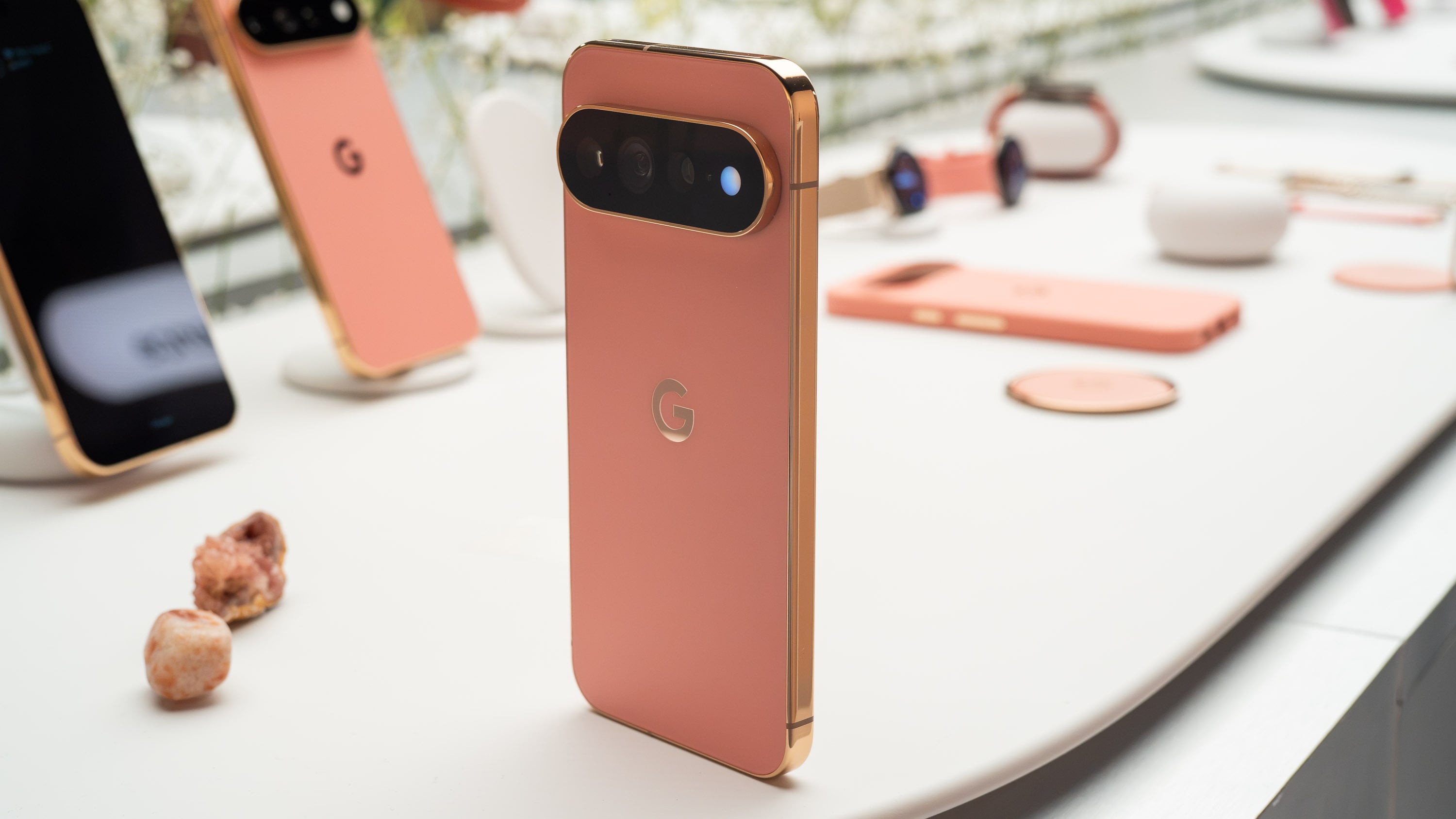
Google on Tuesday unveiled the Pixel 11 Pro and Pro XL, touting a tougher build, a thinner camera bar, and a faster processor. But the company also cut RAM from the Pro models and raised prices by about $100 across the lineup. For crypto users, the RAM reduction is the detail that matters most.
Why less RAM is a problem for self-custody
Running a full node, a privacy-focused wallet, or a resource-heavy dApp locally takes memory. The Pixel 11 Pro and Pro XL now have less of it than their predecessors. That doesn't just mean slower app switching — it makes on-device crypto tools harder to use. Full nodes, in particular, are memory hogs. With less RAM, they become sluggish or outright impractical on a phone.
📊 Market Data Snapshot
The result is a quiet push toward cloud services. If your phone can't handle the load, you offload it to a hosted wallet or a remote node. That's a direct contradiction to the decentralized ethos crypto advocates have fought for. The RAM cut isn't just a cost-saving measure; it's a strategic nudge toward dependency on third parties.
The $100 price hike and inflation
Google's price increase spans the entire lineup — Pixel 11, Pixel 11 Pro, Pro XL, and the Pixel 11 Pro Fold all cost about $100 more than last year's models. The company frames the Pro and Pro XL as the toughest Pixels yet, with camera upgrades and a more powerful processor. But the price bump reflects rising component costs, a familiar story in a high-inflation environment.
For crypto, this is a micro-signal. Consumer price pressures like this can keep central banks hawkish, which tends to dampen liquidity-driven rallies. But the effect is negligible compared to CPI prints or Fed meetings. This is one data point, not a trend.
What traders should watch
There's no direct crypto angle here. The Pixel launch won't move BTC or ETH on its own. What could matter is spillover from tech stocks. If the announcement drags on Nasdaq sentiment, risk-off moves might bleed into crypto. But that's a stretch — the market is currently driven by macro factors, not smartphone specs.
The phones are expected to ship in the coming months. The real test will be whether developers optimize for lower RAM or whether users start shifting to cloud-based wallets. For now, the crypto market is watching CPI data and Fed speakers, not Google's camera bar.