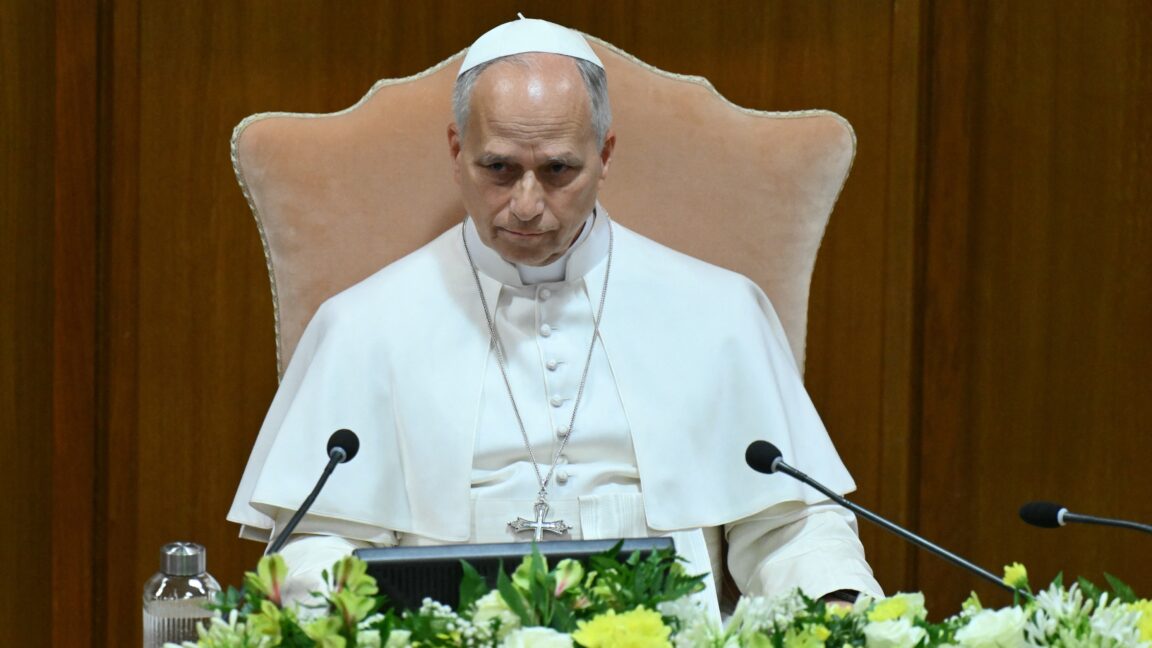
Pope Leo XIV released his first encyclical letter, 'Magnifica humanitas,' on May 25 in Vatican City, framing artificial intelligence as a threat to human dignity and calling for new legal and ethical guardrails. The document warns against AI-powered warfare, labor displacement, and unchecked technological power — a message that lands in a crypto market already skittish, with the Fear & Greed Index at 29. While the immediate price impact is minimal, the encyclical adds a powerful moral voice to debates about centralized tech vs. decentralized systems.
A moral manifesto for the AI age
The encyclical is styled as a manifesto on 'safeguarding the human person in the time of artificial intelligence.' It doesn't name any specific companies or technologies, but it goes after the core problems: rapid AI adoption without adequate protections, economic upheaval, and the need for frameworks that put people before profit. The Vatican isn't a regulator, but its institutional weight — especially among Catholic investors managing trillions — means the words carry real influence.
📊 Market Data Snapshot
Crypto's mixed bag: fear and opportunity
For crypto, the reaction is split. Bitcoin traded near $73,000 as of Monday, down about 1% on the day, with high BTC dominance squeezing altcoins. The encyclical feeds the broader fear narrative — tech stocks and AI tokens could face headwinds if moral outrage translates into regulation. But the contrarian take is that blockchain-based AI projects actually align with the Pope's vision. Decentralized protocols that offer transparency, user control, and auditable data trails could position themselves as the ethical alternative to Big Tech's black boxes.
The hidden catalyst for decentralized AI
Projects like Ocean Protocol (data provenance) and SingularityNET (decentralized AI) are directly positioned to meet the Vatican's call for transparent governance. Most media coverage will focus on the risk side — a papal warning against AI — missing that the encyclical's emphasis on human dignity and ethical guardrails is essentially a product requirement for decentralized AI. That could trigger a rotation from centralized AI stocks to decentralized AI tokens, especially as Catholic institutional investors look for moral hedges.
Why Bitcoin miners should watch the Vatican
But the encyclical isn't all good news for crypto. Catholic institutional investors — think the Knights of Columbus, diocesan pension funds — manage over $1 trillion. Their interpretation of 'unconstrained technological power' could extend to energy-intensive proof-of-work mining. A gradual divestment from Bitcoin and high-energy altcoins by these long-term holders would create persistent selling pressure, potentially capping BTC's upside over the next year. That's a scenario most pundits aren't talking about.
The EU connection
The encyclical dropped just as the EU AI Act enters its final implementation phase, expected around mid-2026. Brussels regulators now have moral cover from the Vatican to impose stricter rules on high-risk AI — including automated trading bots and AI-driven DeFi protocols. That tail risk isn't priced into AI-focused altcoins like FET or AGIX. If the European Commission cites the encyclical in its guidance, a 15-20% sector-wide correction in those tokens could follow within three months. The Vatican just handed regulators a rhetorical weapon, and the crypto industry should be watching the calendar.