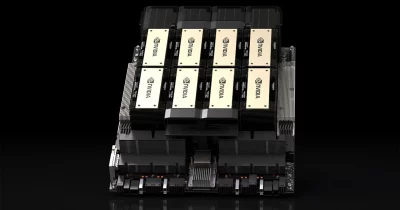
Qualcomm has struck an AI chip deal with ByteDance, the parent company of TikTok, to enhance the Chinese firm's operations. The agreement marks a strategic pivot for the San Diego-based chipmaker, which is betting big on data center hardware to reduce its reliance on smartphones.
Why the deal matters for ByteDance
ByteDance runs some of the world's most popular apps, including TikTok and Douyin. Those platforms rely heavily on artificial intelligence for content recommendations, video processing, and advertising. The AI chips from Qualcomm are expected to help ByteDance handle those workloads more efficiently, though the companies did not disclose financial terms or specific deployment timelines.
Qualcomm's shift to data center dominance
For years Qualcomm has been the dominant player in mobile chips. But with smartphone growth slowing, the company has been looking for new markets. This deal signals a clear intent to compete in the data center, where AI training and inference demand enormous computing power. Qualcomm's expertise in power-efficient chip design could give it an edge against incumbents that focus on raw performance.
Challenging the established order
The move puts Qualcomm in direct competition with tech giants that already dominate the AI chip space. Those incumbents have long held the lead in data center AI accelerators. Qualcomm's entry, backed by a major customer like ByteDance, could disrupt the market if its chips deliver on performance and cost.
Navigating geopolitical currents
The deal also crosses a sensitive geopolitical line. ByteDance is a Chinese company, and Qualcomm is American. US export controls have restricted the sale of advanced chips to Chinese firms, especially those linked to AI. It's not clear how this agreement complies with those regulations, or whether it has received special clearance. The companies have not commented on the regulatory side of the partnership.
The next question is whether Qualcomm can scale production to meet ByteDance's massive demand, and whether regulators in Washington or Beijing will raise objections. No delivery dates have been announced.