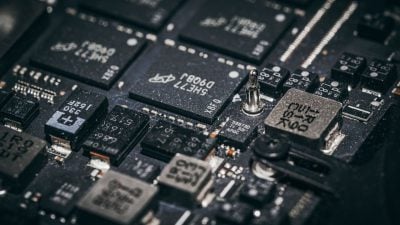
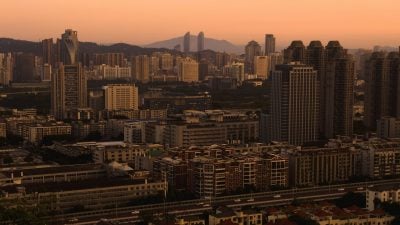
South Korea is planning a $520 billion semiconductor hub in Gwangju, with Samsung and SK hynix involved in the project. The move is intended to drive regional economic growth and technological advancement, according to the government's outline. It also carries a diplomatic dimension: the project may strain ties between South Korea and the United States.
What the Gwangju hub would include
The plan centers on a large-scale chipmaking complex in Gwangju, a city in the southwest of the country. Samsung and SK hynix, the two largest semiconductor manufacturers in South Korea, are named as participants. The $520 billion figure covers the planned investment in the hub, though the facts available do not break down how the money would be split between the companies, the government, or other backers.
Officials expect the hub to lift the regional economy and push forward the country's technological capabilities. Gwangju has not been a traditional center of semiconductor manufacturing, which is concentrated in other parts of South Korea. Building a hub there would spread the industry's footprint beyond its usual clusters.
Why Washington is watching
The project may complicate South Korea's relationship with the United States. The facts do not specify the exact source of friction, but the timing matters: Washington has been pressing allies on semiconductor supply chains and export controls. A large state-backed chip hub involving Samsung and SK hynix sits squarely in that policy debate.
For now, the diplomatic risk is described as a possibility rather than a certainty. The project's scale alone ensures it will draw attention from U.S. officials and industry watchers alike.
The companies at the center
Samsung and SK hynix are the two names attached to the Gwangju plan. Both are major players in memory chips and advanced logic. Their involvement gives the project industrial weight, but it also means the hub's fortunes are tied to the companies' own capital spending plans and to global demand for chips.
The facts do not say whether the companies have signed final agreements or how much each would commit. The $520 billion total is the only figure provided.
What happens next
The project is still in the planning stage. No construction timeline, permitting schedule, or final investment breakdown has been disclosed. The next concrete step will be the release of more detailed plans from the South Korean government and the companies involved. Until then, the $520 billion figure and the Gwangju location are the clearest markers of what's coming.