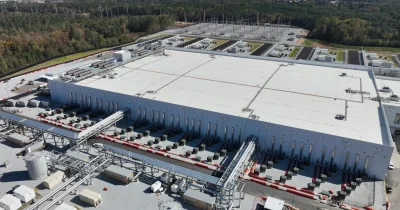
SpaceX and Google are in discussions to deploy data centers in space, a move that could reshape how AI and connectivity services operate globally. The talks, reported by people familiar with the matter, envision placing server infrastructure in low Earth orbit to reduce latency and bypass terrestrial bottlenecks.
The plan for space-based servers
Under the reported framework, SpaceX would use its Starlink satellite constellation as a backbone for the orbital data centers, while Google would contribute its cloud computing and AI expertise. The goal is to process data closer to where it's generated — in orbit — rather than routing everything through ground stations. That could speed up AI model training and real-time applications that rely on satellite networks.
Neither company has confirmed the discussions publicly. But the concept aligns with Google's investments in edge computing and SpaceX's push to expand Starlink's capabilities beyond consumer internet.
Regulatory and debris hurdles
Placing data centers in orbit introduces regulatory questions that existing frameworks weren't built for. The Federal Communications Commission would likely need to approve new spectrum uses, and the Federal Aviation Administration's Office of Commercial Space Transportation would oversee launch and orbital safety. International treaties on outer space could also apply, since the infrastructure would cross multiple jurisdictions.
Space debris is another major concern. Orbital data centers would add more mass to an already crowded environment. Each server module would need to be designed for eventual deorbiting or disposal, and collisions with existing debris could create new hazards. SpaceX has experience with Starlink's collision-avoidance systems, but scaling that to large, permanent orbital structures is untested.
Potential boost for AI and connectivity
Proponents of the idea argue that space-based data centers could cut the round-trip time for satellite communications from hundreds of milliseconds to single digits. That would benefit AI applications that rely on rapid data exchange between satellites and ground systems — such as autonomous navigation, remote sensing, and global financial networks.
Google's AI division, DeepMind, has already explored using satellite imagery for climate and agriculture models. Orbital computing could make those models update in near real time. For Starlink users, the improved latency might enable new services like cloud gaming or live video processing directly from orbit.
The talks are still in early stages, and no timeline for a pilot or deployment has been set. Regulatory approvals, debris mitigation strategies, and the sheer cost of launching and maintaining orbital servers remain unresolved. What's clear is that the conversation has moved from science fiction to corporate boardrooms.