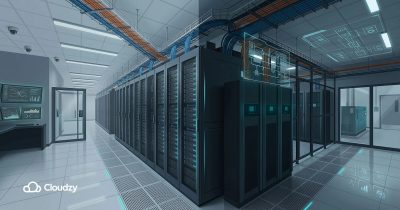
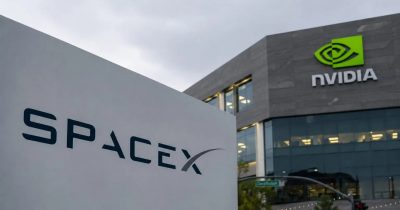
SpaceX has struck a deal with Anthropic to dedicate the full computing power of its Colossus 1 facility in Memphis, Tennessee — a 300-megawatt, 220,000-Nvidia-processor beast — to the AI company. The arrangement lets Anthropic double Claude Code rate limits, remove peak-hour usage caps for Pro and Max accounts, and boost developer request volume for Claude Opus models. It marks SpaceX's formal entry into the AI infrastructure market, and it lands right as Bitcoin miners are betting their future on the same pivot.
The deal and what it means for miners
Colossus 1 is the kind of facility that would have been a Bitcoin miner's dream a few years ago — massive power, existing footprint, cheap land. Instead, SpaceX is running it for AI, not hashing. That puts the company in direct competition with a growing number of public mining firms that have already announced over $70 billion in aggregate GPU colocation and cloud service agreements with hyperscalers and AI customers through 2025 and early 2026.
CoinShares estimates listed Bitcoin miners could generate up to 70% of revenue from AI by the end of this year, up from roughly 30% currently. But if SpaceX and other non-mining players are building their own AI compute facilities, that revenue may be harder to capture. The 2024 halving and the brutal fourth quarter of 2025 — hashprice hit five-year lows — already pushed miners to diversify. Now they face a new competitor with deep pockets and a rocketship brand.
The power squeeze gets tighter
Data centers already account for about 3-4% of U.S. grid consumption, and that could hit 12% by 2028. Hyperscaler capital expenditure reached roughly $650 billion in 2025. Artemis projects a 50-gigawatt U.S. data-center power deficit through 2028. Large-load interconnection timelines can stretch four years or more, according to Modular Capital. So the fight for power — and for the customers who want it — is only going to get more intense.
For miners, having a secured high-performance computing contract already makes a difference: firms with those deals trade at enterprise-value-to-next-12-month sales multiples of 12.3 times, compared with 5.9 times for pure-play miners. That premium has helped drive the Bitcoin miner AI theme up 56% over the past month, outperforming baskets tied to AI chips, data centers, and power infrastructure. But the SpaceX deal shows that the pie is not growing as fast as the number of players grabbing for a slice.
The question is whether miners can lock in enough HPC contracts before big industrial players like SpaceX saturate the market. With a 50-gigawatt power deficit looming and interconnection delays stretching years, the window for miners to reposition is real — but it's not infinite.