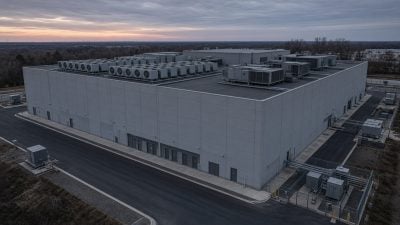
State lawmakers are pushing new rules that would force AI data centers to share profits and open their books on energy use. The measures, taking shape in several statehouses, directly challenge Big Tech's growing electricity appetite. They could reshape where and how companies build the massive facilities that power artificial intelligence.
The profit-sharing pitch
The idea is straightforward: if a data center makes money using local power, the state wants a cut. Backers argue the revenue could fund grid upgrades or rate relief for residents who live near the facilities. It's a response to the strain these buildings put on aging electrical systems.
Not every proposal is identical. Some states are eyeing a percentage of operating profits. Others want a flat fee per megawatt-hour. The common thread is that communities hosting these centers should see a direct financial return, not just a few construction jobs.
Big Tech hasn't welcomed the push. Companies have quietly resisted similar efforts in the past, warning that extra costs will slow AI development. But with power demand surging, lawmakers aren't backing down.
Energy accountability rules
Beyond profit-sharing, the emerging rules focus on energy accountability. Companies would have to report exactly how much electricity each facility draws, what it costs, and how much comes from renewable sources. That data, proponents argue, would let regulators and the public see who's really paying for the AI boom.
Some proposals go further, requiring data centers to purchase renewable energy credits or meet efficiency benchmarks. The goal is to make energy use transparent enough for regulators to spot waste and prevent rate hikes from being dumped on households.
Transparency has been a sore spot. Many data center operators treat power consumption as proprietary information. State officials say that's no longer acceptable when the facilities can use as much electricity as a small city.
The regulatory push could scramble investment strategies. If states impose profit-sharing or strict reporting, the economics of a site change overnight. Companies may shift plans toward states with lighter rules, or build smaller facilities in multiple locations. Some may simply pass higher costs to customers.
There's also the question of timing. Data centers are long-term bets, often built years before they're fully utilized. A sudden change in the regulatory climate can turn a profitable project into a money pit.
Investors are watching closely. The measures emphasize energy accountability and cost transparency, two factors that directly affect operating margins. A state that demands a share of profits might be seen as hostile, while one that asks for detailed reporting could be viewed as merely cautious.
The next few months will tell. Several state legislatures are expected to take up the proposals in upcoming sessions. The big question is how far the rules go—and whether Big Tech will push back with lawsuits or by threatening to build elsewhere.