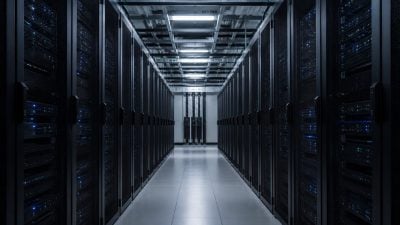
Several states are pulling tax breaks and subsidies for data center development, citing concerns over rising energy costs and strain on local power grids. Lawmakers in these states have raised alarms about the growing electricity demands of large-scale computing facilities, which can consume as much power as a small city. The moves could reshape expansion plans for major tech companies that have come to rely on such incentives.
Why the incentives are being pulled
For years, states offered generous incentives — including sales tax exemptions on equipment and property tax abatements — to attract data centers, hoping to boost local economies and create jobs. But now, some lawmakers are questioning whether the benefits outweigh the costs. The energy required to run and cool thousands of servers has become a major issue, especially as states push for cleaner power and face grid reliability challenges.
In several states, legislators have introduced bills to end or scale back these incentives. They argue that the deals often fail to deliver the promised number of jobs and that the energy burden falls on residential customers. The trend marks a shift from the previous decade, when data center incentives were widely seen as a tool for economic development.
Impact on major tech companies
The withdrawal of incentives could affect the expansion plans of companies like Amazon, Google, and Microsoft, which have invested heavily in data centers across the country. These firms often negotiate long-term power purchase agreements and seek locations with cheap electricity and favorable tax treatment.
Without those incentives, some projects may be delayed or moved to other states or countries. Tech companies are also under pressure to meet their own climate goals, which adds another layer of complexity. They may need to invest more in renewable energy or efficiency measures to offset the higher costs. For companies like Amazon Web Services, Google Cloud, and Microsoft Azure, data centers are the backbone of their cloud businesses. A change in the incentive landscape could affect their bottom line and growth strategies. Some may accelerate investments in states that still offer incentives, while others might look abroad.
Energy concerns driving the debate
Data centers are among the fastest-growing consumers of electricity in the United States. According to the U.S. Department of Energy, they account for about 2% of total U.S. electricity use, and that share is expected to grow. Lawmakers worry that without careful planning, the surge in data center construction could lead to higher energy bills for everyone and strain grid infrastructure.
The energy intensity of data centers is not just a local issue. It ties into broader state goals for reducing carbon emissions. Some states have set ambitious renewable energy targets, and data centers could either help or hinder those goals depending on how they are powered. Some states are now requiring data centers to use renewable energy or pay into funds for grid upgrades. Others are simply saying no to new tax breaks until the energy impact is better understood.
What happens next
The coming months will show whether the incentive withdrawals slow data center construction or push companies toward greener energy sources. In some states, utility companies are pushing back against data center incentives, arguing that the costs of new transmission lines and power plants should be borne by the tech companies, not ratepayers. Meanwhile, the tech industry is lobbying to keep incentives in place, warning that losing them could drive business overseas. Several state legislatures are still debating the issue, and tech companies are watching closely.