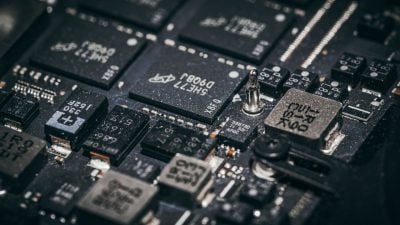
A technical blog post titled "Signing TLS handshakes inside a TPM" went up on bschaatsbergen.com this week and landed on Hacker News with a thud: 5 points, zero comments. The post has nothing to do with Bitcoin, Ethereum, or any token. But the silence around it is its own kind of signal.
What the post shows
The post walks through a practical use of Trusted Platform Module hardware — the security chip that sits in billions of PCs and laptops — to sign TLS handshakes. That's the cryptographic handshake that secures web connections. Doing it inside the TPM means the private key never leaves the chip.
📊 Market Data Snapshot
It's a niche topic. The kind of thing a security engineer reads on a lunch break. But the underlying technique — asymmetric key operations inside a secure enclave — is the same machinery that secures crypto wallets.
Why crypto should care
TPMs are everywhere. They're in most modern laptops and desktops, often sitting idle. The crypto industry, meanwhile, spends enormous energy selling dedicated hardware wallets — Ledger, Trezor, and the like — when a zero-cost alternative already exists in millions of machines.
The blog post demonstrates TLS signing, not blockchain transaction signing. But the adaptation isn't a stretch. A TPM can hold a few keys and sign at a modest rate — fine for a cold wallet, useless for a high-frequency trading bot. That makes it a natural fit for governance votes, multi-sig approvals, or occasional cold-storage transactions.
The silence on Hacker News
The fact that the post got 5 points and no comments suggests the security community isn't connecting those dots. And crypto media, which often overhypes niche technical posts, didn't touch it.
The near-zero traction is worth a moment. The market is in a greedy phase — the Fear & Greed index is flashing greed, and BTC is up on the week. When prices rise, security tends to take a back seat. Exchanges and custody providers have been burned before, but the industry's attention is on momentum, not hardware hardening.
That's a contrarian read, and it's worth being honest about the limits: this is one blog post, not a trend. It doesn't signal any shift in adoption. It won't move BTC or ETH. Traders should ignore it entirely.
What TPMs can and can't do
TPMs aren't built for high-frequency signing or large key storage. They're built for low-frequency, high-security operations. That's a mismatch with hot wallets and trading infrastructure — but a perfect fit for cold storage, governance votes, and the occasional high-value transaction.
The post will be forgotten by Friday. The question of whether TPM-based signing finds its way into crypto custody is a slower burn — and one nobody on Hacker News is talking about.