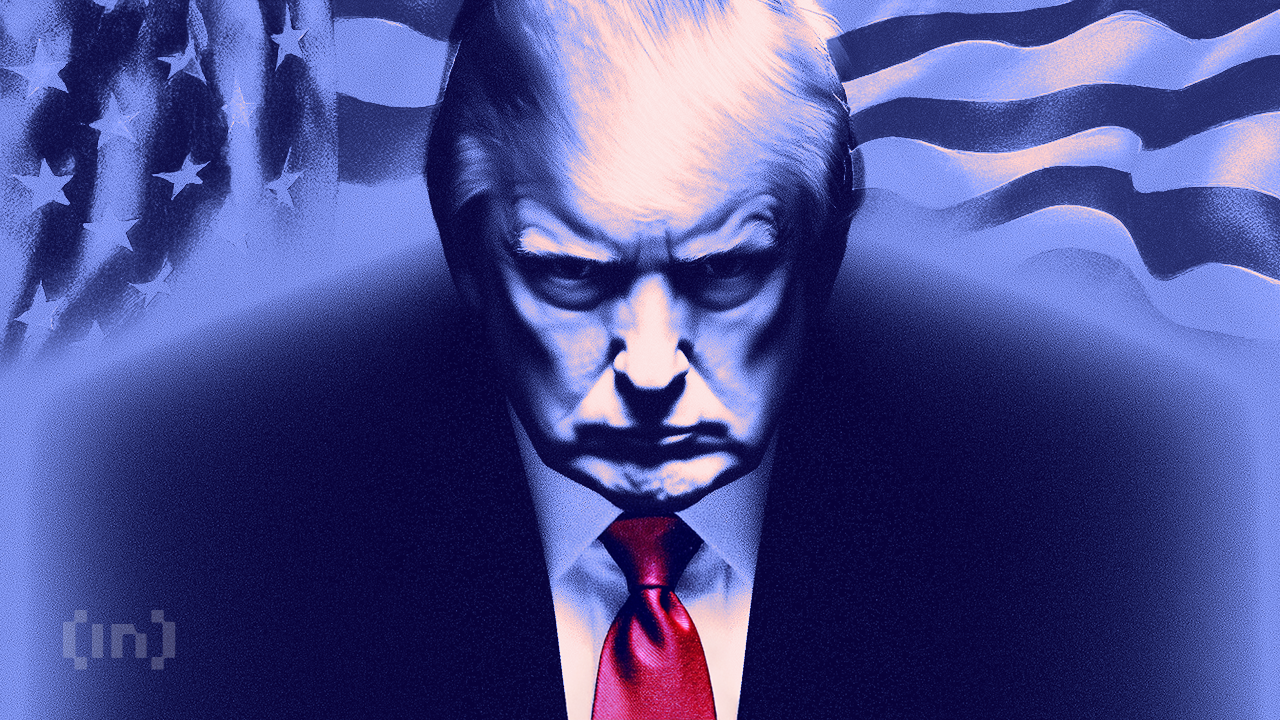
President Trump and a group of technology executives signed an artificial intelligence document at the White House that is being described as 'morally binding' but carries no legal weight. The accord, which is non-binding, is intended to signal a shared commitment to guiding AI development, though it stops well short of enforceable regulation.
The signing marks a public display of cooperation between the administration and major tech firms, but the voluntary nature of the agreement has already drawn scrutiny from those who argue it leaves oversight too weak to address the risks posed by advanced AI systems.
What the AI accord actually says
According to the facts surrounding the signing, the accord is designed to prioritize U.S. technology leadership in the global AI race. It frames American innovation as a strategic asset and seeks to align the private sector behind that goal. The document is not a law, an executive order, or a regulation. It is a statement of intent — one that relies on the good faith of the companies that signed it rather than on any government enforcement mechanism.
Because the accord is non-binding, there are no penalties for non-compliance, no reporting requirements, and no independent body tasked with checking whether the signatories live up to their commitments. The phrase 'morally binding' suggests an appeal to reputation and public pressure, but it does not create a legal obligation.
Why the lack of enforcement matters
The central criticism of the accord is that it risks inadequate oversight. AI systems are already being deployed in hiring, lending, healthcare, policing, and national security contexts. Without binding rules, the companies developing these systems are largely left to police themselves. That approach can work when firms share a common understanding of acceptable risk, but it breaks down when competitive pressures push in the other direction.
Governance questions also remain unanswered. Who decides what counts as responsible AI? What happens if a signatory violates the spirit of the accord? The document itself provides no clear answers. Those gaps are likely to fuel calls for more formal legislation, though the current political environment makes comprehensive AI regulation unlikely in the near term.
The leadership argument
Supporters of the accord point to the U.S. tech leadership priority as a reason for voluntary coordination. The logic is that if American companies move too slowly because of heavy-handed rules, other countries with looser standards will set the pace for AI development. A voluntary accord, in this view, keeps the industry competitive while still nudging it toward shared norms.
But that same logic can cut the other way. If the only goal is speed and market position, safety and accountability can get sidelined. The accord does not resolve that tension. It simply acknowledges it and asks the signatories to manage it themselves.
What happens next
No timeline for implementation or review has been announced. The White House has not said whether the accord will be followed by more concrete policy measures, and the tech executives who signed it have not outlined how they will report on their progress. For now, the document stands as a symbolic commitment — one that will be tested not by its language but by whether the companies that signed it change anything about how they build and deploy AI.
Watch for whether the accord leads to voluntary disclosures, third-party audits, or any other mechanism that could give the 'morally binding' label some teeth. Without that, it remains a statement of intent with no way to hold anyone to it.