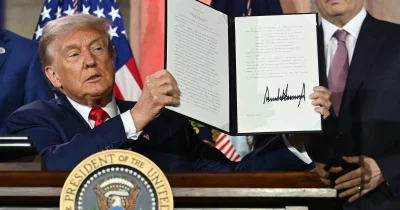
The White House is preparing an executive order that would compel developers of advanced artificial intelligence systems to give federal agencies early access to their models. The measure, still being drafted, is designed to strengthen government oversight of rapidly evolving AI technology, but it could also slow the pace of innovation and tilt the playing field toward larger companies.
What the order would require
Under the planned directive, companies building the most powerful AI systems would have to share details about their models—including training data, architecture, and safety testing—with government reviewers before public release. That marks a significant shift from the current hands-off approach, where firms voluntarily disclose information after deployment. The administration argues that early access lets regulators spot risks like bias, misinformation, or cybersecurity flaws before they hit the market.
But the requirement comes with trade-offs. Forcing companies to open their code and designs to federal scrutiny could slow product launches by months, as compliance reviews pile up. Smaller AI startups, which often lack the legal teams and compliance infrastructure of tech giants, may struggle to keep up.
Why it could favor big players
The executive order’s impact won't be felt evenly. Large firms like Google, Microsoft, and OpenAI already navigate complex regulatory environments and have the resources to engage with government reviewers. For them, the added step is a manageable cost. For a startup racing to get a novel model to market, the same process can become a bottleneck that drains runway and kills momentum.
That dynamic worries Silicon Valley investors and some lawmakers. They argue that any policy that disproportionately burdens smaller innovators will entrench the market position of today's leaders, reducing competition over time. The result, they say, is a more concentrated AI industry with fewer new ideas.
Questions about US competitiveness
The order also raises broader questions about America’s ability to lead in AI development. Other countries, notably China, do not impose similar pre-release oversight on domestic AI labs. If US companies face delays that their foreign rivals don’t, some observers fear the United States could lose its edge in the global race to deploy advanced AI systems.
White House officials have defended the plan as necessary for national security and public safety, pointing to past crises where technology outpaced regulation. But they have not yet released a cost-benefit analysis or detailed how the review process would work in practice.
What happens next
The executive order is expected to be signed within weeks, though the exact timing remains unclear. Once issued, federal agencies will have to draft specific rules for which models are covered and how the review process operates. That rulemaking could take months and is likely to face legal challenges from industry groups.
For now, the biggest unknown is how the administration will define an “advanced AI model.” That definition will determine which companies are affected—and whether the order achieves its goal of oversight without stifling the innovation it seeks to monitor.