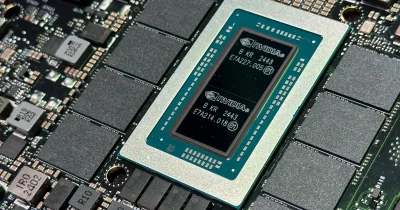
Taiwan Semiconductor Manufacturing Co. plans to raise prices for its most advanced chips by 15% in the second half of 2026. The move targets the company's 3-nanometer production line and could shake up the chip industry, potentially giving rivals Intel and Samsung a chance to undercut the market leader.
Why the price increase is coming
TSMC hasn't publicly detailed the reasoning, but the 2026 timeline suggests the hike is part of a long-term pricing strategy. The company dominates advanced chipmaking, producing processors for Apple, Nvidia, and AMD. A 15% jump on 3nm wafers — already among the most expensive in the industry — would mark a significant cost increase for clients who have few alternatives at that node.
Intel and Samsung both operate their own 3nm-class fabrication facilities, though neither has matched TSMC's yield rates or customer volume. If they can offer competitive pricing below TSMC's new rates, they could poach customers looking to diversify supply chains. The window is tight: TSMC's price hike doesn't take effect for two years, giving rivals time to improve their processes and win over clients before the increase lands.
Impact on chip buyers
Companies that rely on TSMC's 3nm technology — primarily makers of high-end smartphone processors, AI accelerators, and server chips — will face higher bills. Those costs often get passed down to consumers, though the effect won't be felt until late 2026 at the earliest. Some firms may accelerate their shift toward 2nm production, which TSMC is also developing for a 2025 launch, to avoid the 3nm price jump.
The chipmaker's pricing decision comes as global demand for advanced semiconductors continues to outstrip supply. TSMC's foundry business gives it unusual leverage: it can raise prices without immediately losing customers, because switching foundries takes years of design work and qualification. But that leverage has limits, and the 2026 hike may test them.