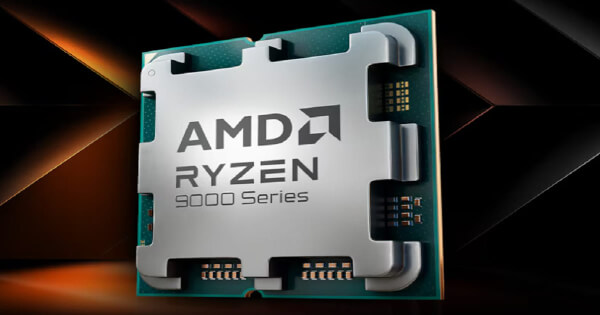
Taiwan Semiconductor Manufacturing Co. has seen its stock price quadruple as the company extends its lead in semiconductor manufacturing, a surge that underscores its growing influence over artificial intelligence development and the broader tech infrastructure. The rally reflects investor confidence in TSMC's ability to produce the most advanced chips, a capability that few rivals can match.
How TSMC widened its lead
The company's edge comes from its relentless investment in cutting-edge fabrication processes. While competitors like Intel and Samsung have struggled to keep pace, TSMC has consistently delivered smaller, more power-efficient nodes. This technical advantage has made it the go-to manufacturer for the world's biggest chip designers, including Apple, Nvidia, and AMD. The result: a near-monopoly on the most advanced logic chips used in AI accelerators and high-performance computing.
TSMC's market value has soared alongside demand for AI hardware. The company's shares have roughly quadrupled over the past few years, a run that has turned it into one of the world's most valuable tech firms. Analysts point to the sheer scale of its operations — multiple gigafabs in Taiwan and new facilities under construction in Arizona and Japan — as barriers that competitors cannot easily overcome.
AI development hinges on TSMC's output
Every major AI model — from OpenAI's GPT to Google's Gemini — relies on chips fabricated by TSMC. The company's 3-nanometer and upcoming 2-nanometer processes are the bedrock of the AI boom. Without TSMC's manufacturing prowess, the rapid pace of AI advancement would slow considerably. This dependency gives TSMC outsized influence over the trajectory of the technology, from data center servers to edge devices.
Governments and tech giants alike are watching TSMC's capacity closely. Any disruption to its factories — whether from geopolitical tension, natural disaster, or supply chain snags — would ripple through the entire AI ecosystem. The company's dominance means that its production schedules effectively set the tempo for the industry.
Geopolitical weight of a single foundry
TSMC's lead also carries heavy geopolitical implications. The vast majority of its advanced fabrication remains concentrated in Taiwan, a flashpoint in U.S.-China relations. Washington has pushed TSMC to build plants on American soil, but the Arizona project has faced delays and cost overruns. Meanwhile, China has invested billions in its own chipmaking efforts, but it remains years behind TSMC's technology.
The concentration of advanced chip production in Taiwan creates a strategic vulnerability. If tensions escalate, the global supply of AI chips could be cut off. That risk has prompted the U.S. and other allies to explore ways to diversify semiconductor manufacturing, but building a foundry ecosystem takes years and billions of dollars. For now, TSMC's lead is unassailable.
The company's next major milestone is the ramp-up of its 2-nanometer process, expected to enter production in 2025. How smoothly that transition goes will determine whether TSMC can maintain its quadruple-digit stock trajectory — and whether the rest of the world can keep building the AI systems that depend on its chips.